Top Tips

Top tips for reducing food waste part 1

Food-waste

I’m dedicating this month’s blog series to the subject of food waste.

Yes it’s hot topic now, but really I think it’s always been important.

My grandparents’ generation had no choice to be careful with food and use up every scrap. First, there was little money and lots of mouths to feed, then rationing and then even after that food was relatively expensive in relation to earnings and to waste it was to waste money.

Environmentally, food waste has catastrophic implications, with the wasted resources to create it in the first place and then the excess of packaging and how it can be disposed of, but more than this, it’s ethically wrong. We should reward all the time and effort that farmers put into creating our food by respecting and cherishing it – and if by minimising waste we also save money then great – more cash for holidays!

Having said all of that, it’s not always as easy as it sounds.

Some foods come in packets that are just too large for us to consume all in one go and others have a really short shelf life.

After much trial, error, debate and thought, here are a few tips that I’ve incorporated into my life and quest to reduce food waste:

  • First, I always plan my food shop: I write a list of meals for the week (usually only six as we have a ‘leftovers’ day) and write down only what we need for those meals.
  • I shop online, this way I’m less likely to be tempted by extras on shelf or special offers encouraging me to buy more than I actually need.
  • We never finish a bag of salad before it goes mushy, so I no longer buy them. Instead, I will buy a head of lettuce and cut off and shred only what I need.
  • Raspberries go mouldy so quickly! Instead of putting them in the fridge where they may be forgotten for a couple of days I dip them in water and put them in a bowl on the dinner table for dessert on the day they’re purchased.
  • On the day of purchase, I sort any cooked or uncooked fish and meat by use-by date and stack them in order. Those that may not be used before this date go in the freezer.
  • I buy only small bread loaves and keep one (plus a few rolls, wraps or bagels) in the cupboard. The remainder goes into the freezer.
  • I use my eyes and nose – I strictly stick to use-by dates on meat and fish, but for anything else I just look at it and smell it. If it looks okay and smells ok then we usually eat it! (Please use your own judgement here and don’t necessarily take my advice, this is just something I’ve done for years but may not be recommended for everyone).
  • Every month I have a look in the freezer and ensure that we use up anything that’s been there for a while before adding more.
  • Leftovers for lunch – many different ‘weird and wonderful’ foods left over from the previous night’s dinner have ended up in my lunchbox – just add salad.
  • Veggie, fruity slaw. Finely chop firm leftover fruit and veg, such as carrots, apples, peaches, grapes, cabbage and mix with mayonnaise – I like to throw in a few chopped nuts and sultanas too.
  • Make soup! Any slightly iffy looking veg can taste wonderful when cooked with stock. Add a little curry paste or chilli for an extra kick, if you like.

I’d love to hear any tips you would like to share. Together we can make a difference……

Broccoli is an often forgotten veg,
but this fab recipe revives it into
something scrumptious.

Broccoli & Apple Soup
Broccoli & Apple SoupThis surprising combination of ingredients, work beautifully together to create a light soup with subtle flavour.

A Dairy Diary recipe. For more delicious recipes visit the Dairy Diary Recipe Collection.

CLICK HERE FOR RECIPE

#lovefoodhatewaste

#reducefoodwaste

#soup

National Picnic Week plus a very moreish recipe (and a special treat!)

 Lake District Picnic

I’ve recently come back from a couple of astonishingly beautiful days in the Lake District.

The deluges earlier in the year, followed by day-after-day of glorious sunshine has resulted in such a verdant and lush landscape; it’s a pure joy to see.

We tackled a pretty sizeable fell walk and so I packed some much-needed sustenance in my rucksack.

And we found one of the most glorious picnic spots I’ve seen – complete with very high bench that make your feet dangle in a comical fashion like a small child.

It may be twee and a little old fashioned,
but with the right location and good
food a picnic can be simply lovely.

Lake District picnic 2

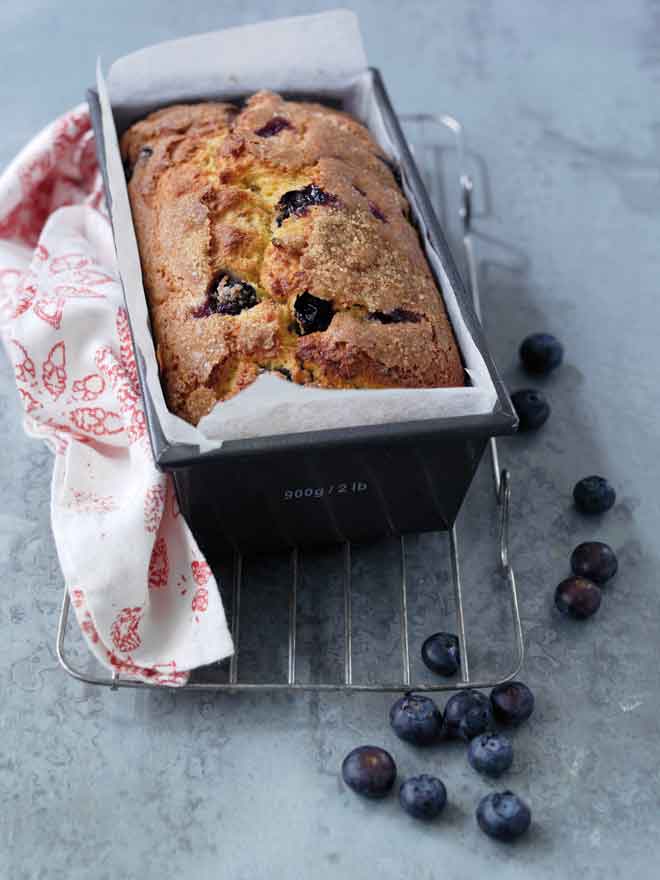
We enjoyed dry-cured bacon sandwiches on soft white rolls and a cheeky slice of Blueberry & Orange Loaf, which survived pretty well in the heat. If you fancy making it the recipe is shown below

The recipe is from our Cook it Slowly cookbook, which in my opinion is one of our best. Find out more about it here.

And as it’s National Picnic Week next week you have the perfect excuse to picnic somewhere gorgeous.

Why not share your favourite
recipe (and location)?


Win a Moroccan Dinner SetEating al fresco in style is easy with our fabulous competition prize

We’re giving you the opportunity to win a gorgeous Moroccan Bloom Melamine 12 Piece Dinner Set, which looks just like real crockery.

Click here to enter.


Blueberry & Orange Loaf

Blueberry & Orange Loaf

  • Servings: 8
  • Print

Calories 316 per portion
Fat 10g (6g sat) per portion
Suitable for vegetarians
Suitable for freezing

Ingredients

  • Self-raising flour 350g (12oz)
  • Caster sugar 75g (3oz)
  • Blueberries 200g (7oz)
  • Oranges 2, finely grated zest and juice
  • Milk 4–6 tbsp
  • Eggs 3
  • Butter 75g (3oz), melted
  • Demerara sugar 1–2 tbsp

Instructions

  1. Preheat the oven to 160°C/140°fan/Gas 3. 
Butter a 900g (2lb) loaf tin and line with baking paper.
  2. Sift the flour into a large bowl and stir in the caster sugar, blueberries and orange zest.
  3. Pour the orange juice into a measuring jug and make up to 150ml (¼ pint) with milk. Beat in the eggs and butter and then pour this into the bowl with the flour and blueberries and stir until just mixed together. Spoon the mixture into the loaf tin and sprinkle the demerara sugar over the top.
  4. Bake for 1–1¼ hours until risen and firm to the touch and a skewer inserted into the centre of the cake comes out clean.
  5. Leave to cool in the tin for about 10 minutes, then transfer to a wire rack to cool completely.

Cook’s tips
Don’t over-mix the ingredients or the cake will be tough.
If preferred, omit the demerara sugar and drizzle over some orange glacé icing made by mixing icing sugar with orange juice.

3 arty ideas for the school holidays

Rainy days are an inevitable part of the school holidays and finding new ideas for things to do can tricky.

Give one or two of these little arty ideas a try, creative children will love them!

Go dotty!

Go dotty over wildflowers

Inspired by a gorgeous wildflower meadow we saw on a recent trip to the Peak District, we loved creating these dotty pictures so much that we made lots, mounted them and made them into thank you cards.

  • Good quality paper
  • Pencil
  • Felt tip pens
  • Coloured card (optional)

1 In pencil, sketch a couple of lines across the paper to represent a field and hillside.

2 Using paler colours first fill in the ‘fields’ with lots of coloured dots to represent wild flowers and grasses.

3 Add a tree trunk and dotty leaves.

4 Mount onto coloured card, if you like.

Beady Napkins

Beady napkin rings

Making your own café can be great fun. Make (or bake) your favourite lunch, lay the table and add your homemade napkin ring to a paper napkin.

  • Craft wire or fine elastic
  • Selection of beads and charms
  • Paper napkins

1 Thread beads (and a charm or two if you like) onto craft wire or elastic.

2 Tie a knot in the elastic or twist the craft wire together.

3 Place on a napkin.

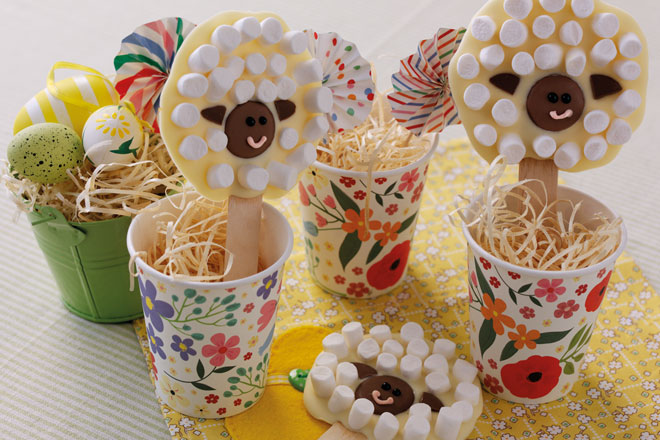
 Chocolate Lolipos

Sheepish Chocolate Lollipops

In your café you could offer one or two of these chocolate lollipops – they’re great fun to make. This is a Dairy Diary recipe. For more delicious recipes visit the Dairy Diary Recipe Collection.

CLICK HERE FOR RECIPE


Have fun!

#summerfun

#schoolholidays

5 Positive Things to Do

Positive Thinking

I’m not sure if positive thinking is a learned behaviour…

or if it’s within our genetic make-up, maybe a bit of both. I’m lucky (I think) to be a natural optimist, but my parents did teach me to notice and focus on the beauty around me – from a stunning rainbow to a simple pattern of raindrops on a window pane, and I think that this appreciation of small things makes me more prone to positivity.

It does us all good to step back once in a while and have a think. An article on positive thinking in this year’s Dairy Diary says this:

‘A step towards positive thinking is to take time to appreciate life in general, and your own life in particular. Remember to stop and smell the roses – that may be a well-worn notion but it works.

‘Some people call it living in the moment, becoming aware of everything around you – sights, smells, sounds, tastes, your feelings, yourself. Focus on things as they are at that moment, accept them without judgement, and you will start to see things you have taken for granted in a new light.’


Here are 5 things that we can all do this week to help us feel more positive.

  1. Pay someone a compliment; if you think notice someone wearing a pretty dress, doing a good job or being kind, tell them, even if it’s a stranger. It will make them feel good and you feel good too.

  2. Look for beauty in nature; from the dew on a flower to an early misty morning or even birdsong, there’s always something you can find, notice and appreciate.

  3. Find somewhere quiet and concentrate on your breathing for a few minutes. Breathe in slowly, hold for a count of six, breathe out slowly. Feel the sensation of breathing.

  4. Sometimes we so used to being surrounded by negativity that we hardly notice it. Take a few days break from TV; the news, documentaries or even soaps can make us feel very downcast. Listen to some music that you love instead.

  5. Do a little good turn. Something simple like baking a cake for a friend or a neighbour. Why not try the Dairy Diary recipe below. I’m sure they’ll appreciate it.

Try this irresistible Raspberry & Macadamia Cake recipe from The Dairy Book of Home Cookery.

#positivethinking

#baking

#cake

How to make a difference and clear your clutter

Clear Your Clutter Day

10 top tips for clearing clutter

I am a serial declutterer. Whilst I am not a minimalist fan (I love to be surrounded by things that evoke memories), I do feel happier and calmer in a tidy home.

As well as enjoying tidiness, I get a warm fuzzy feeling from the email I get from Barnardo’s, which tells me how much my unwanted goods have sold for. As I have a gift aid number with the charity, it’s linked to my email address, and any goods sold are totted up and reported back to me.

Seeing the pounds rack up gives a real sense of making a difference.

Clear Your Clutter Day is a great
opportunity to have a good sort

out and donate your stuff to charity.

Here are a few tips:

1 Hang a reusable shopping bag in a cupboard or on a hook, so you have a constant receptacle for unwanted items.

2 Read about your chosen charity online. Their good work will inspire you to declutter and donate.

3 Have you worn something that you felt didn’t really suit you? Pop it in the wash, then into the charity bag.

4 Once you’ve read a novel, donate it. How often do you ever read a book twice?

5 Apart from ‘occasion’ clothes, if there’s something you haven’t worn for 6 months, give it away.

6 Just tackle one ‘area’ at a time. Choose a cupboard/wardrobe etc. and spend half an hour sorting through it. Empty out the ‘area’ and think about if you when you last used each item or if you really love it. Ditch unused or unloved things.

7 Buy an inexpensive but pretty set of baskets or boxes for your cupboards/shelves. They help to keep everything tidy and discourage you from putting junk back.

8 Don’t forget the kitchen! How many mugs and Tupperware boxes (without lids?) do you really need?

9 Sort through your make-up and throw away anything that’s over 12 months old as they can harbour nasty bacteria. Mascaras should be renewed every 3 months.

10 Empty your handbag of all its papers and receipts. Write down appointments and notes in your Dairy Diary and stow anything crucial in the pocket.


#ClearYourClutterDay

#getorganised

Holidays with a difference!

Activity Holidays

Here, I share a feature from the 2017 Dairy Diary, which introduces you to a whole host of new ideas for your next holiday. Ban the post-Christmas blues and book yourself a fabulous trip.

Activity Holidays

Sunbathing lost its charm? Feeling restless after half an hour’s lazing with a good book and a cocktail? If lounging around on holiday is just not cutting it any more, why not leap into action instead?

An activity break could be just what you need. How to make the most of precious time off is a question close to most people’s hearts, and as a welcome change from the seaside or the museums and galleries of a city break, an activity holiday can provide the answer.

The choice is almost endless, from cycling, painting or pottery to horse-riding, trekking or white-water rafting, depending on how gentle or strenuous you want your break to be. Are you interested in nature, history, food? Do you want to learn a new skill, explore new places, be adventurous? Whatever tickles your fancy, you’ll be catered for, and not just in the UK. The world awaits, and whether you decide to go as a family, with friends or on your own, you’re sure to be mixing with a group of like-minded people, all as keen as you are to enjoy themselves.

Activity holidays

Give it a try

Of course, it may be that you can’t persuade friends or family to devote a whole week to one activity, and prefer not to tackle it among people you don’t know. Plenty of places offer a whole range of activities, lasting from an hour or two to a full day, as well as catering for those who just want to do nothing much. Whatever your special interest may be, there’ll be somewhere you can indulge it. Like to try your hand at glass painting? No problem. You can make candles, jewellery or your own cosmetics, visit historic sites, go whale-watching, or learn how to play bridge or windsurf — or both.

Old crafts

If the idea of learning an oldfashioned country craft appeals, you could try hedge laying, woodland coppicing or hurdling (making a woven fence) among other rural skills. Dry-stone walls have been a feature of the British landscape for well over three thousand years. They are beautiful to behold and provide a valuable habitat for a variety of flora and fauna, but it takes skill and patience to construct one. The Dry Stone Walling Association, a charitable organisation, runs weekends for beginners.

Work it out

Working holidays can give you the added satisfaction of doing something worthwhile in your leisure time. Whether you opt to help clear invasive species from woodlands and ponds, clean beaches, repair footpaths or survey an area for bats and butterflies, conservation lies at their heart.


Ooh La La!

Activity holidayWhile taking time out to pursue your favourite hobby is a great way to relax, discovering a new creative skill is fun, too. For an added frisson, why not consider learning something new in the appropriate country?

You could try flamenco or salsa dancing in Spain, a wine course in France, cooking in Rome or Tuscany. You can even go on a language break – where better to learn French than in France with no humdrum distractions? Quelle bonne idée!

Specialist painting and photography holidays are not hard to find, world wide, and wellbeing breaks really do live up to their name.


Useful websites

  • dswa.org.uk
  • golearnto.com
  • hfholidays.co.uk
  • nationaltrust.org.uk
  • naturetrek.co.uk
  • pgl.co.uk vidados.com


1 5 6 7 13