Author Archives for Emily Davenport, Head of Dairy Diary

About Emily Davenport, Head of Dairy Diary

Head of Dairy Diary; I'm passionate about producing high quality products that our customers will cherish. I'm also a mum of three and I enjoy cooking, walking, gardening and painting with my family, as well as printmaking (when I find the time!)

The perfect recipe for Bonfire Night

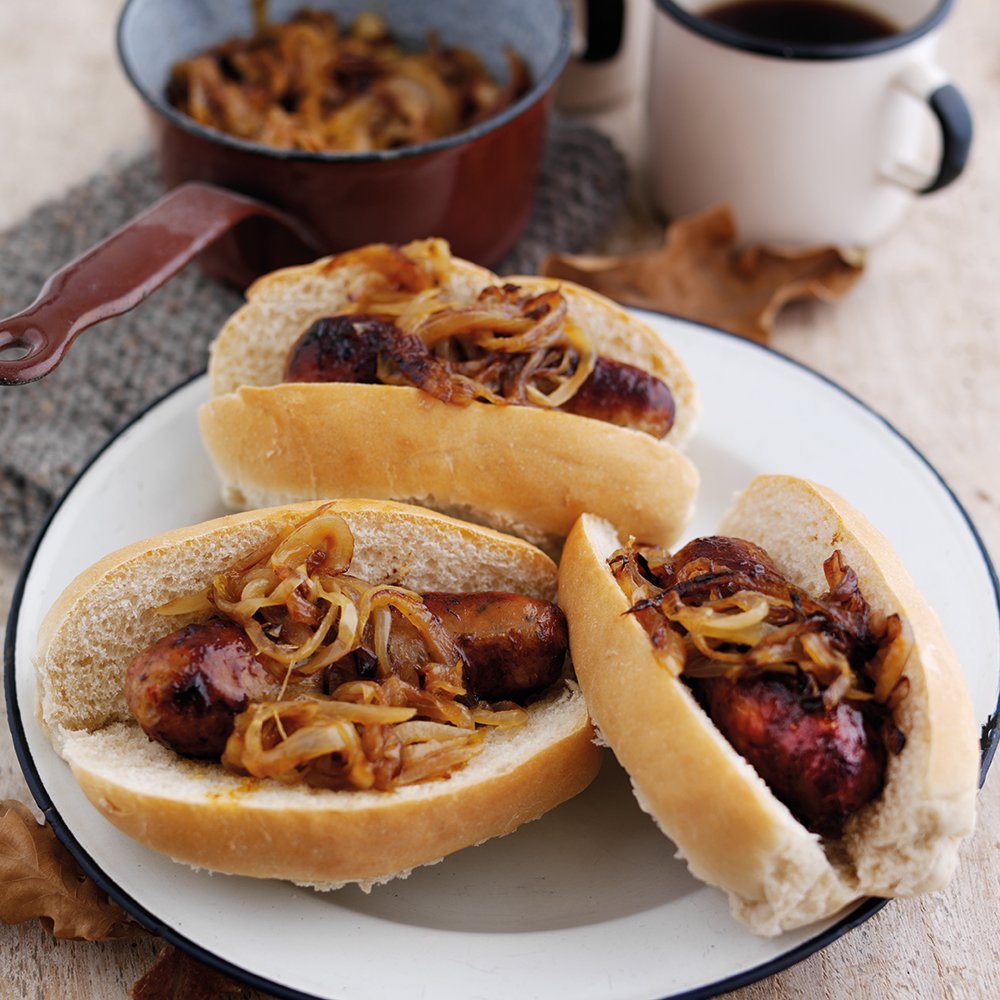
Spicy Hot Dogs with Caramelised Onions

Here’s the perfect recipe for Bonfire Night (and UK Sausage Week!)

When you’re heading out into the cold for an evening oooing and aaahing at fireworks, waving the odd sparkler about (in the shape of your name obviously) you’re going to need something quick but comforting to eat.

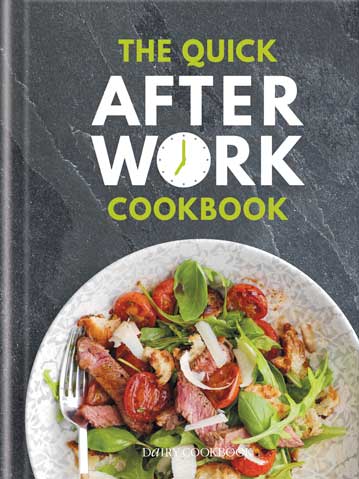
Quick After-Work cookbook at the rescue! This book is crammed full of recipes that are speedy but full of flavour.

This recipe takes only half an hour to make and is perfect for a pre-Bonfire bite to eat.

Spicy Hot Dogs with Caramelised Onions


RECIPE


Quick After-Work CookbookFor more recipes from Quick After-Work,
or to order a copy click here.


Categories:

Recipe of the Week: Pumpkin, Chorizo & Sage Frittata

Pumpkin, Chorizo & Sage Frittata

Don’t let those Halloween pumpkins go to waste

Make this tasty frittata using the leftover flesh from your pumpkin carving.

It’s delicious!

Pumpkin, Chorizo & Sage Frittata


RECIPE


#foodwaste

#tripletestedrecipes

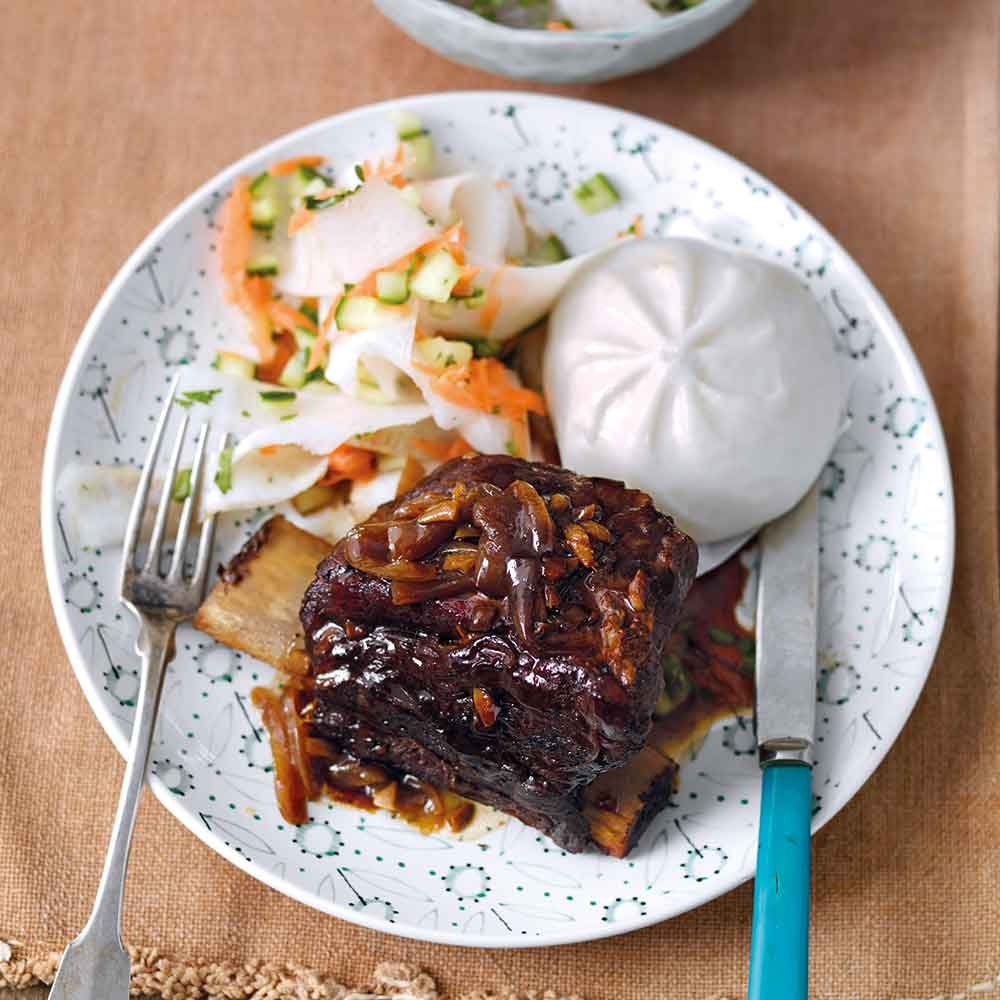
Recipe of the Week: Korean Beef Short Ribs

Korean Beef Short Ribs

You may not have cooked with short ribs before, but this recipe is well worth a try.


When it was made at the photoshoot all the stylists working at the studio that day requested the recipe.

And for people who work with food and top food photographers every day that’s high praise indeed!

Korean Beef Short Ribs

RECIPE


#TripleTested

#DairyDiaryRecipe

Categories:

3 Spooktacular Halloween recipes

Halloween recipes

Carving a pumpkin for Halloween?

Then you’ll love these two recipes, which use pumpkin flesh and seeds, so nothing goes to waste.

You will find fun pumpkin carving tips below plus discover the origins of Halloween. Enjoy.

Halloween recipes Frittata and Pumpkin Seeds

Pumpkin, Chorizo & Sage Frittata

Spicy Pumpkin Seeds


These creepy brownie bars are the perfect offering for Trick or Treaters who may come calling on Thursday.

Chocolate Brownie Graveyard Bars


Buy 2020 Dairy DiaryAll three recipes are from the Dairy Diary.

The iconic Dairy Diary 2020 is an A5, week-to-view diary featuring weekly inspirational recipes. Practical and pretty, it’s the perfect 2020 diary for planning your busy life.

For more recipes and/or to order your copy for just £8.75 click here.


Pumpkin carving fun with your children

Halloween carved pumpkinChoose your pumpkin – a large, ripe pumpkin that has smooth, even surfaces and sits comfortably without danger of rolling over is best.

Sketch your pattern on paper to suit the size and shape of your pumpkin. If you’re not artistic, use a stencil or template.

Make the lid by drawing a 125mm (5″) circle on the top. Cut out the lid with the saw/blade at an angle – leaning slightly to the outside – this will stop the lid dropping inside. Remove the lid and clean its base.

For a carving tool, we recommend a pumpkin saw. If you’re using a knife (small and sharp) carve gently and steadily, making a few gentle strokes for each cut.

The kids can remove the inside – they love this slimy job and can easily remove all the seeds and mushy stuff. Then you can takeover scraping with a spoon or ice-cream scoop. Thin walls make carving easier, but don’t make them too thin or the pumpkin will collapse. Make the base inside flat to accommodate a candle.

Apply your pattern by copying freehand onto the clean, dry pumpkin with a marker/pen/pencil or tape your paper pattern to the pumpkin and mark the design by poking holes through the pattern.

Let’s carve – adults only if you’re using a knife! Carefully begin at the centre of your pattern and work outward – small shapes first. The kids can push out the shapes as you go. Lastly ensure the pumpkin sits stably without danger of rolling.

Light up – place a tea-light in the base. Ensure the candle is level and carefully light it. Always extinguish the candle when leaving the room.


The origins of Halloween

The origins of Halloween can be traced back to the ancient Celtic festival of Samhain.*

Until 2,000 years ago, the Celts lived across the lands we now know as Britain, Ireland and northern France. Essentially a farming and agricultural people, the Pre-Christian Celtic year was determined by the growing seasons and Samhain marked the end of summer and the harvest and the beginning of the dark cold winter. The festival symbolised the boundary between the world of the living and the world of the dead.

It was believed by the Celts that on the night of 31st October, ghosts of their dead would revisit the mortal world and large bonfires were lit in each village in order to ward off any evil spirits that may also be at large.

The night or evening of Samhain became known as All-hallows-even then Hallow Eve, still later Hallowe’en and then of course Halloween.

A special time of the year when many believe that the spirit world can make contact with the physical world, a night when magic is at its most potent.

Throughout Britain, Halloween has traditionally been celebrated by children’s games such as bobbing for apples in containers full of water, telling ghost stories and the carving of faces into hollowed-out vegetables such as swedes and turnips. These faces would usually be illuminated from within by a candle, the lanterns displayed on window sills to ward off any evil spirits. The current use of pumpkins is a relatively modern innovation imported from the United States.

*Halloween by Ben Johnson


#TripleTested

#DairyDiaryRecipe
Categories: 

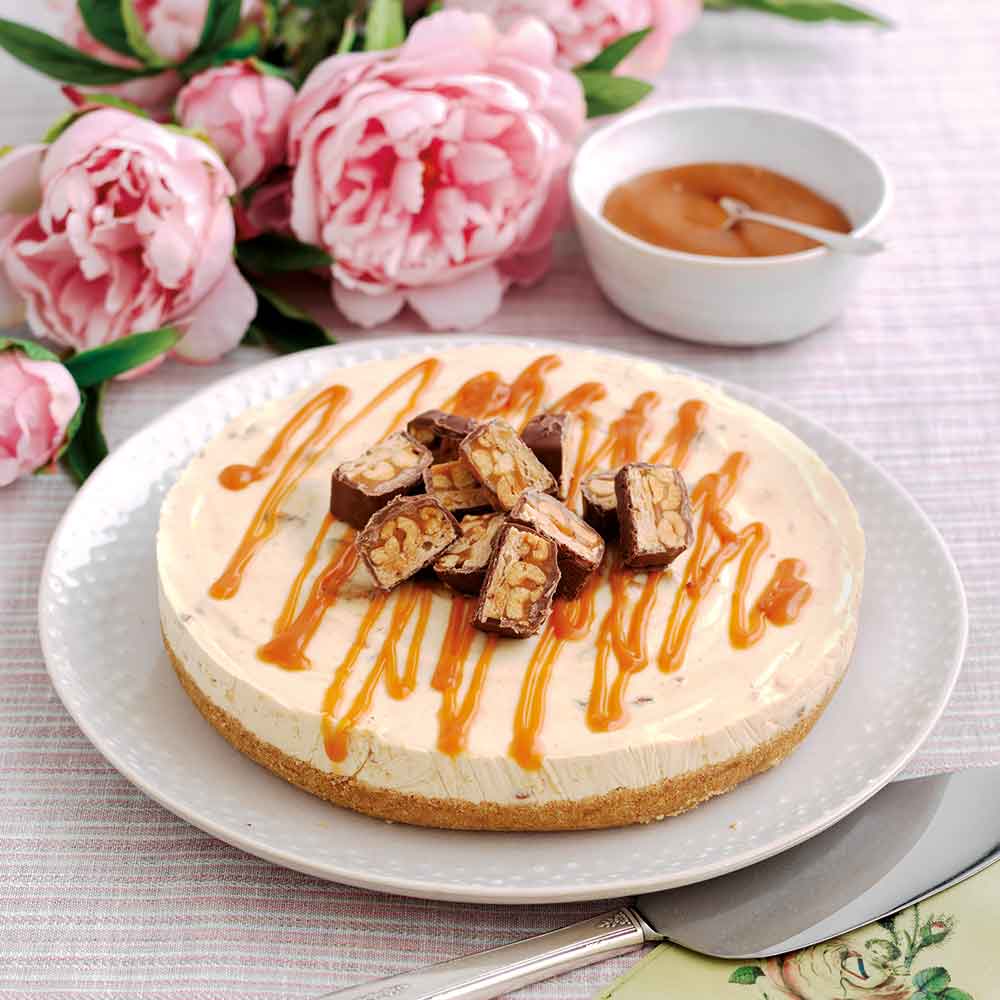
Recipe of the Week: No-Bake Cheesecake

No-bake Nutty Chocolate Cheesecake

No-Bake Cheesecake

I wrote this recipe for my husband who adores cheesecake but rarely has it as I’m not usually a fan.

However, with the addition of Snickers bars; I’m now a cheesecake convert!

RECIPE


Did you know…

Cheesecake is believed to have originated in ancient Greece. In fact, a form of cheesecake may have been served to the athletes during the first Olympic Games held in 776 B.C. to give them energy. Greek brides of the era also cooked and served cheesecake to their wedding guests.

In “The Oxford Companion to Food,” editor Alan Davidson notes that cheesecake was mentioned in Marcus Porcius “Cato’s De re Rustica” around 200 BCE and that Cato described making his cheese libum (cake) with results very similar to modern cheesecake. The Romans spread the tradition of cheesecake from Greece across Europe. Centuries later, cheesecake appeared in America, with a variety of regional recipes brought over by immigrants.

When people think of cheesecake today, it’s most often associated with a product that has a cream cheese base. Cream cheese was invented in 1872 by American dairyman William Lawrence of Chester, New York, who accidentally stumbled on a method of producing cream cheese while trying to reproduce a French cheese called Neufchâtel.

Taken from The History of Cheesecake and Cream Cheese by Mary Bellis


#TripleTested

#DairyDiaryRecipe

#Cheesecake

Categories:

Helping to reduce plastic

Dairy Diary Shopping Bag

Doing a bit for the environment needn’t be difficult – here are two easy ways to help

New for this year, a gorgeous cotton shopping bag to match your Dairy Diary!

Taking a reusable bag with you and opting out of using plastic carrier bags is easy (and stylish too if you buy one of these!)

It’s roomy enough for a few impromptu purchases or groceries, but it folds flat so that you can carry it in your handbag.

Shopping Bag

View the Dairy Diary Shopping Bag


Switch to glass milk bottles

And, of course, if you would like your milk in glass rather than plastic, get a milkman.

Find a milkman

Simply go to findmeamilkman.net and you can find a local delivery.

They will sell Dairy Diaries too. Win win!


#reduceplastic