Recipe of the Week

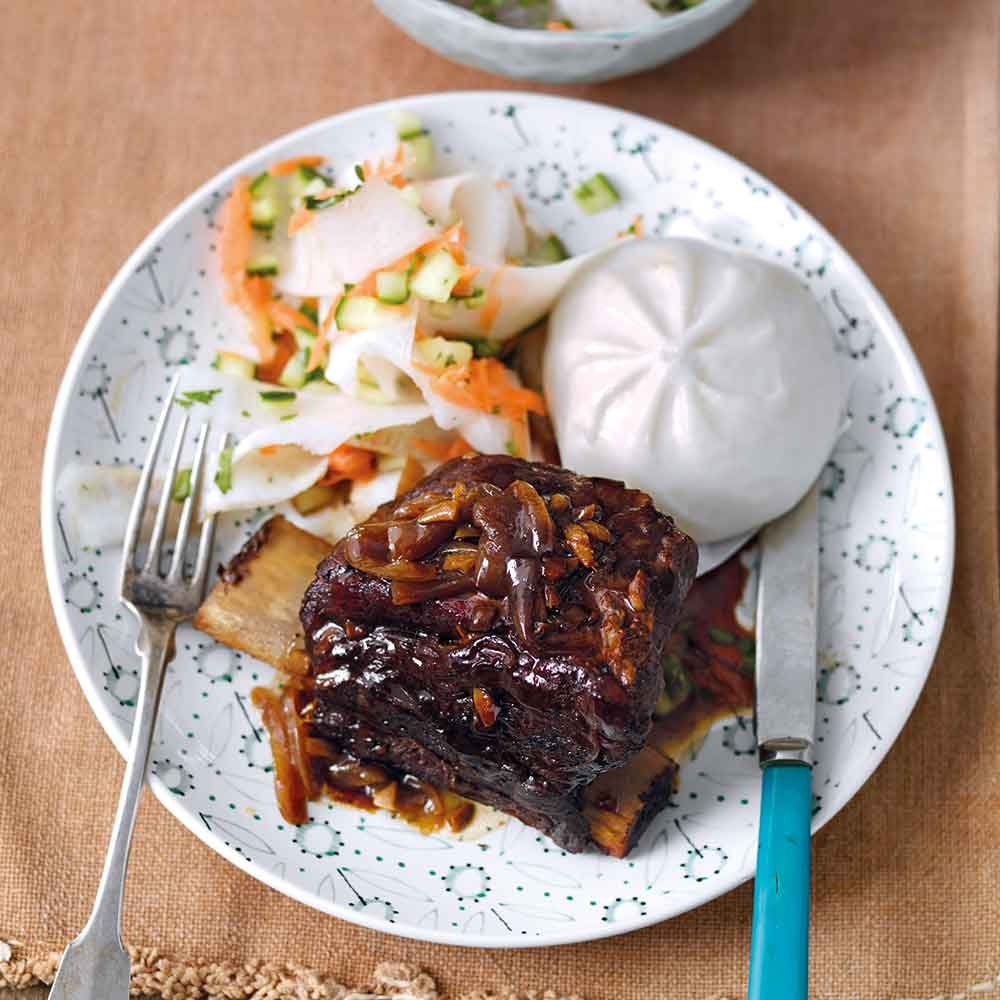
Recipe of the Week: Korean Beef Short Ribs

Korean Beef Short Ribs

You may not have cooked with short ribs before, but this recipe is well worth a try.


When it was made at the photoshoot all the stylists working at the studio that day requested the recipe.

And for people who work with food and top food photographers every day that’s high praise indeed!

Korean Beef Short Ribs

RECIPE


#TripleTested

#DairyDiaryRecipe

Categories:

Recipe of the Week: No-Bake Cheesecake

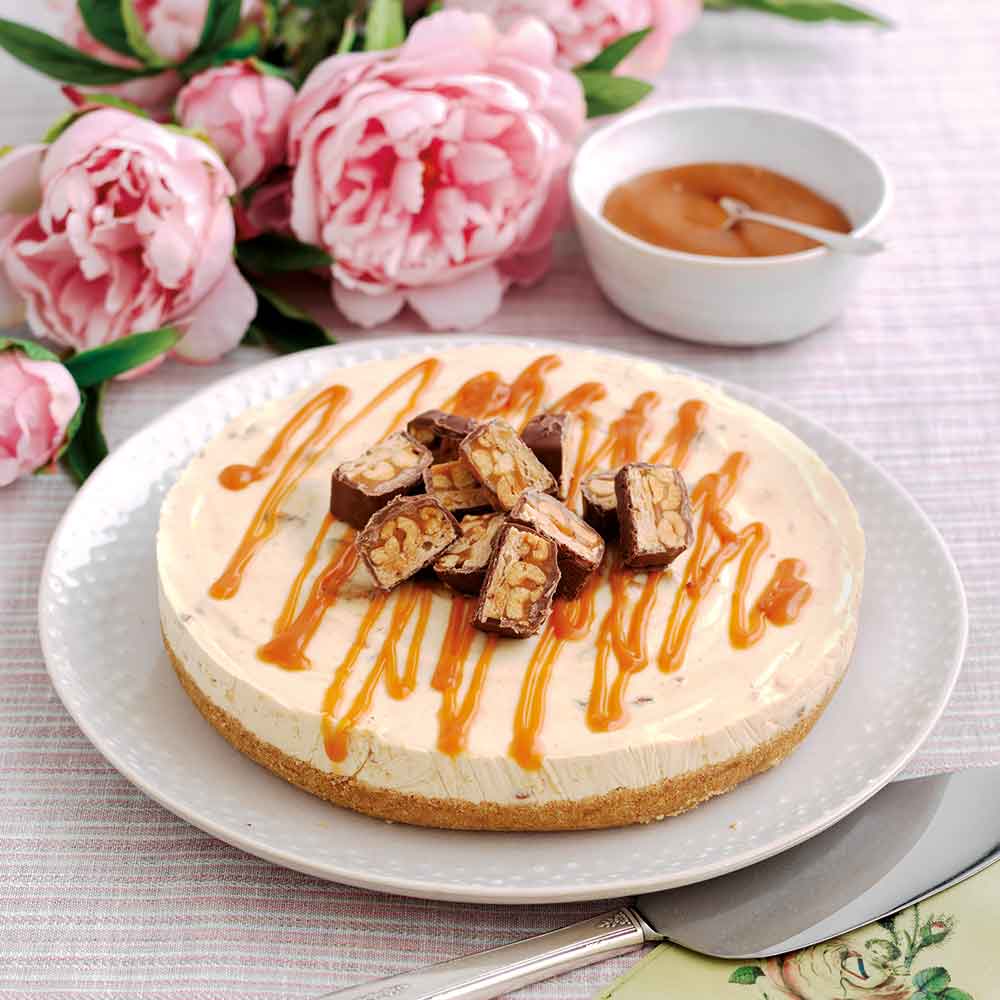
No-bake Nutty Chocolate Cheesecake

No-Bake Cheesecake

I wrote this recipe for my husband who adores cheesecake but rarely has it as I’m not usually a fan.

However, with the addition of Snickers bars; I’m now a cheesecake convert!

RECIPE


Did you know…

Cheesecake is believed to have originated in ancient Greece. In fact, a form of cheesecake may have been served to the athletes during the first Olympic Games held in 776 B.C. to give them energy. Greek brides of the era also cooked and served cheesecake to their wedding guests.

In “The Oxford Companion to Food,” editor Alan Davidson notes that cheesecake was mentioned in Marcus Porcius “Cato’s De re Rustica” around 200 BCE and that Cato described making his cheese libum (cake) with results very similar to modern cheesecake. The Romans spread the tradition of cheesecake from Greece across Europe. Centuries later, cheesecake appeared in America, with a variety of regional recipes brought over by immigrants.

When people think of cheesecake today, it’s most often associated with a product that has a cream cheese base. Cream cheese was invented in 1872 by American dairyman William Lawrence of Chester, New York, who accidentally stumbled on a method of producing cream cheese while trying to reproduce a French cheese called Neufchâtel.

Taken from The History of Cheesecake and Cream Cheese by Mary Bellis


#TripleTested

#DairyDiaryRecipe

#Cheesecake
Categories:

Bombay Butty | Recipe of the Week

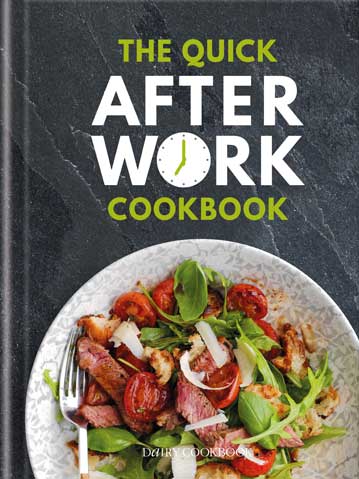
Quick After Work Bombay Butty

Bombay Butty

From our fabulous new cookbook; I LOVE this recipe.

It’s really easy and perfect for a Saturday evening in, served with a nice cold beer.

RECIPE


Quick After-Work cookbookQuick After-Work cookbook

Gorgeous midweek meals that are easy to fit into your busy lifestyle. The Quick After-Work Cookbook features easy, speedy recipes and big satisfying flavours that just hit the spot!.

For more information about this really useful book click here.


#curry


Categories:


Recipe of the Week: Gooseberry & Ginger Jam

Gooseberry & Ginger Jam

Gooseberry & Ginger Jam

.
Gooseberries should be ready to pick now, or very soon, and this recipe is just perfect for your glut of fruit.

I think it may just be my favourite jam of all time. Yum!

RECIPE

A Dairy Diary recipe.

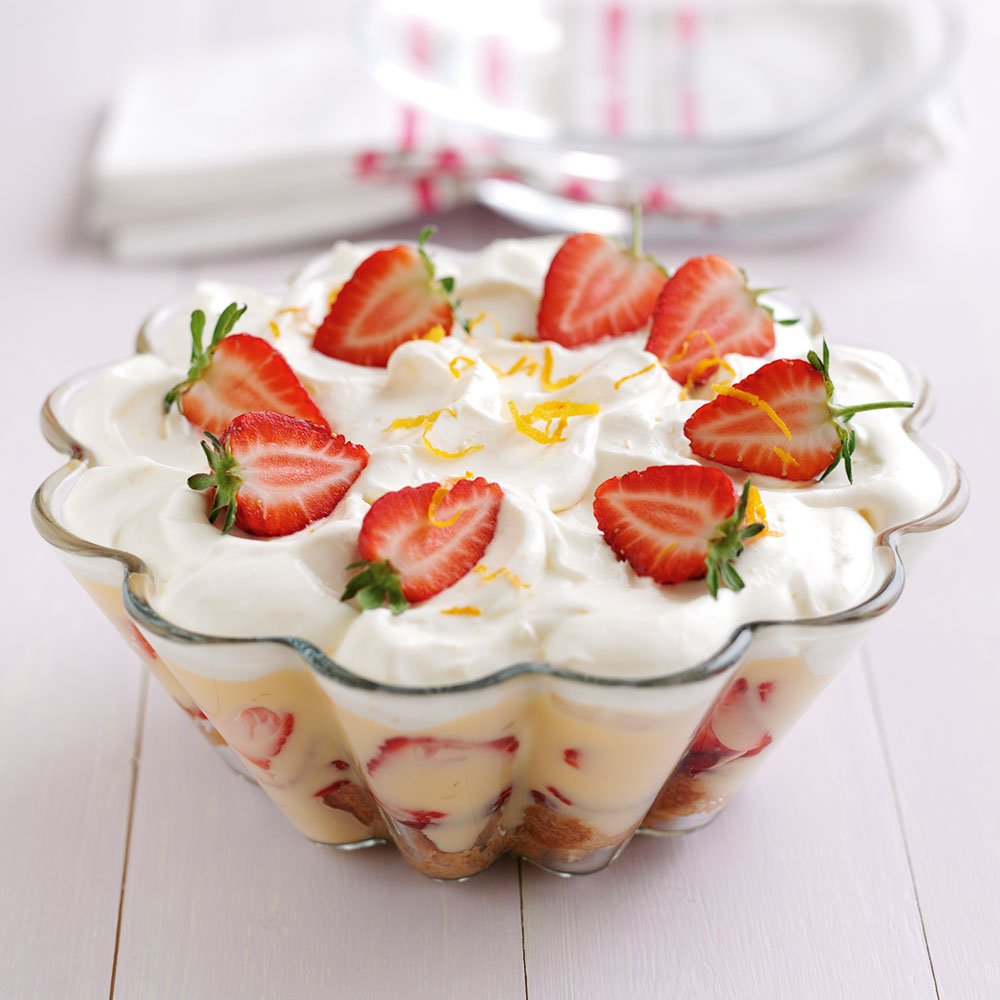
Syllabub Trifles is our Recipe of the Week

Syllabub Trifles

Trifles are possibly the most popular recipes on our blog

Retro? Who cares when everyone loves them!

As a prepare-in-advance dessert, they are perfect for serving to family and friends.

This Syllabub Trifles recipe is a twist on the traditional trifle, having a syllabub topping which is utterly delicious.

RECIPE

Don’t forget to check out more delicious trifles…


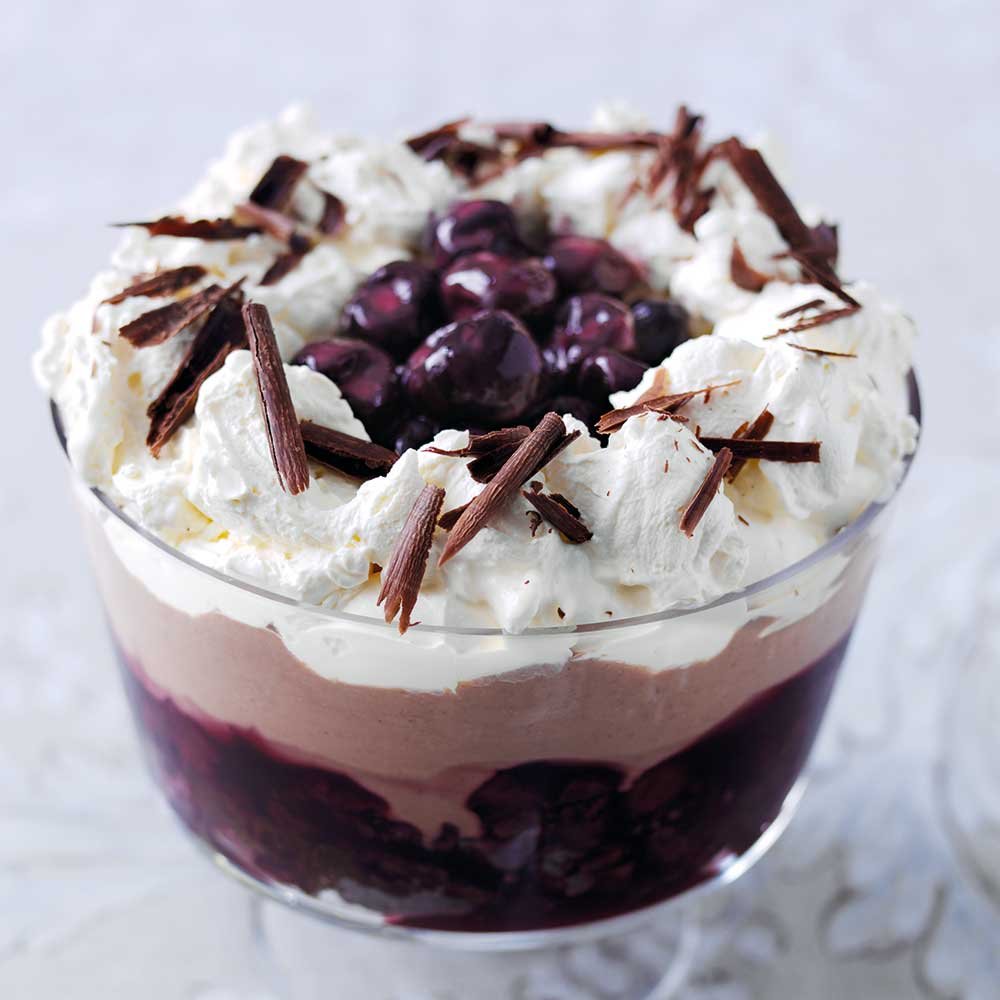
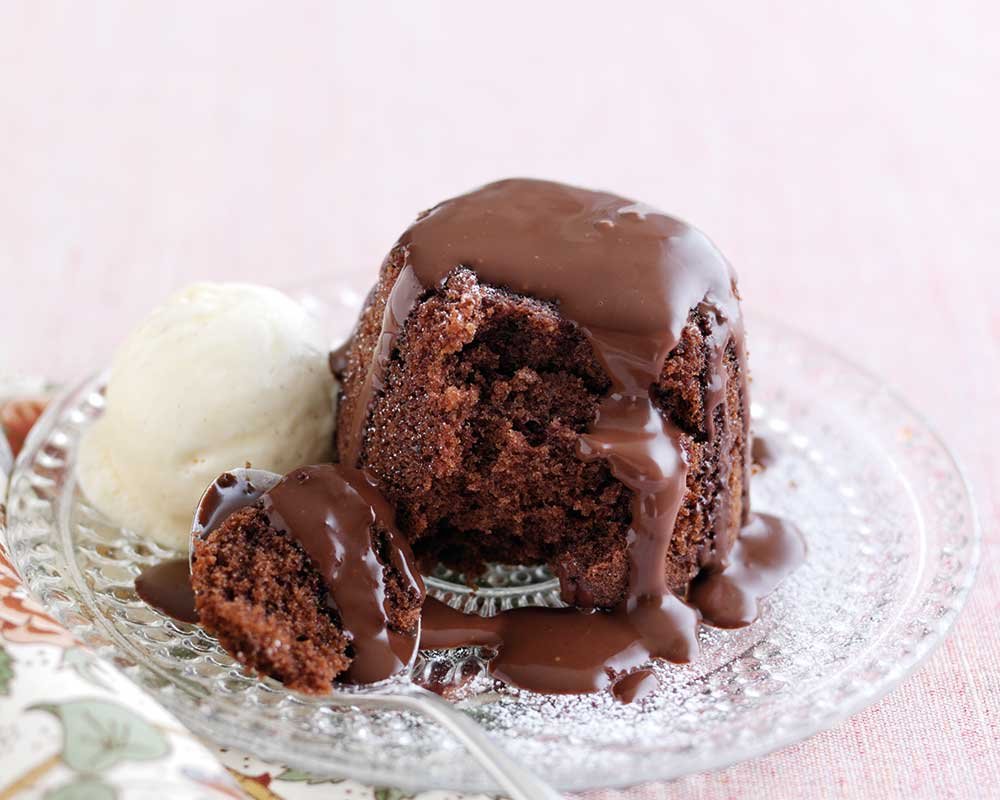
Recipe of the Week: Speedy Chocolate Sponge Puddings

Speedy Chocolate Sponge Puddings

Celebrate World Chocolate Day tomorrow with this gorgeous chocolate sponge pudding


Speedy Chocolate Sponge Puddings

And the best bit (apart from the taste)? It can be cooked in the microwave in just 4 minutes!

RECIPE


Fermented beverages made from chocolate date back to 450 BC

The Aztecs believed that cacao seeds were the gift of Quetzalcoatl, the god of wisdom, and the seeds once had so much value that they were used as a form of currency. Originally prepared only as a drink, chocolate was served as a bitter liquid, mixed with spices or corn puree.

It was believed to be an aphrodisiac and to give the drinker strength.

Today, such drinks are also known as “Chilate” and are made by locals in the South of Mexico. After its arrival to Europe in the sixteenth century, sugar was added to it and it became popular throughout society, first among the ruling classes and then among the common people.

The word “chocolate” comes from the Classical Nahuatl word chocolātl, and entered the English language from the Spanish language.

Source: Wikipedia


Can’t imagine life without chocolate? You’re lucky you weren’t born before the 16th century.

Before then, chocolate existed as a bitter, foamy drink in Mesoamerica.

So how did we get from a bitter beverage to the chocolate bars of today?

Deanna Pucciarelli traces the fascinating and often cruel history of chocolate in this informative and entertaining video, The History of Chocolate.


The history of chocolate


#worldchocolateday

#historyofchocolate


1 3 4 5 27