Author Archives for Emily Davenport, Head of Dairy Diary

About Emily Davenport, Head of Dairy Diary

Head of Dairy Diary; I'm passionate about producing high quality products that our customers will cherish. I'm also a mum of three and I enjoy cooking, walking, gardening and painting with my family, as well as printmaking (when I find the time!)

Why DO the clocks change?

Why do the clocks go forward in the UK

It’s time to ‘spring forward’, as the popular saying goes…


Despite the awful weather we have had in the UK recently, now is the time things begin to pick up.

Beautiful flowers start to emerge from the soil, wonderful bird song is back and the evenings gradually get lighter – is it too early to clean up the BBQ?

As we enter British Summer Time (BST) the clocks will go forward one hour, which is great for morning people, not-so-great for people like myself that enjoys a lengthier sleep! However, I am very much looking forward to all the lovely things summer brings with it.


Why do the clocks change?

It’s always useful to remember the phrase ‘spring forward, fall back’ when it comes to the clocks change, but why do we change the time twice a year?

READ MORE


The clocks go forward 1 hour at 1am on the last Sunday in March.


Emily Davenport
Emily Davenport

I post a blog every week featuring food, family and fun. There are lots of useful household tips, crafty ideas, giveaways and delicious recipes that I think you will find irresistible.

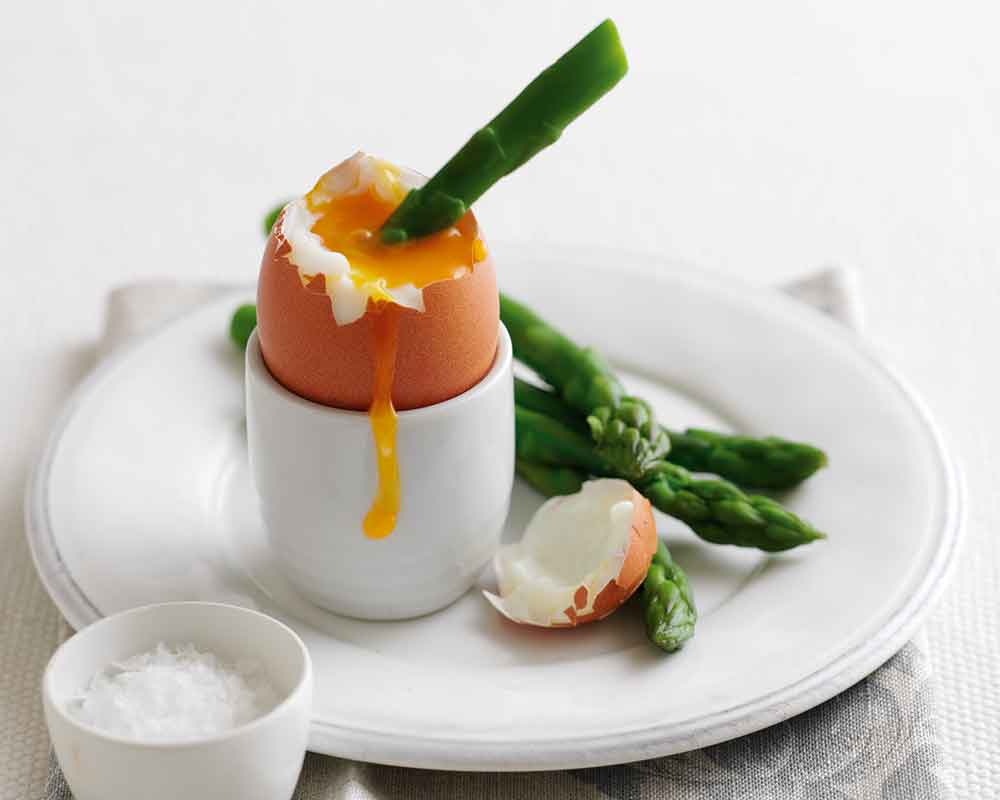
Make the perfect boiled egg

How to make the perfect boiled egg

3 Ways to Boil an Egg

But which makes the perfect egg?


We often buy local farm eggs, which come in all sorts of random sizes, and it can be difficult to cook the perfect boiled egg.

I had heard Heston’s method mentioned on radio 4 recently, and so I decided to give it a try.

Heston Blumenthal suggests you just cover the eggs with cold water, bring to the boil, then take off the heat and leave with the lid on for 6 minutes.

It does work and I think it’s more reliable than other methods as I have now tried it several times and not once had gloopy white (eugh). The yolks are always soft too, but I do find the whites ever so slightly rubbery compared to more conventional methods.


The Dairy Book of Home CookeryThe Dairy Book of Home Cookery, which has a whole chapter on eggs, gives two methods for boiled egg:


Method One

  1. Place eggs in a saucepan of enough boiling water to cover them completely.
  2. Bring back to the boil and simmer gently for 5½ -7 minutes, depending on how set you like your eggs.


Method Two

  1. Place eggs in a saucepan and cover with cold water. Bring to the boil and simmer gently for 3-5 minutes.
  2. Time from when the water comes to the boil.


I grew up on the 3-minute egg method, but my husband favours method one (cooked for 7 minutes). It does mean that you don’t have to watch for the boil and dash over to the timer (useful when you’re frantically packing school lunchboxes) but often the yolk is a little too set for my liking.

My final choice would be method one I think – but I leave the water to boil rather than simmer – for 6½ minutes. It’s not completely fool-proof as egg size does make a difference, but most of the time it does result in the perfect soft-boiled egg.


Has anyone ever tried a boiled egg gadget?

I’ve seen them in Lakeland but never tried them.


Read more in the 

Emily Davenport

Emily Davenport

I post a blog every week featuring food, family and fun. There are lots of useful household tips, crafty ideas, giveaways and delicious recipes that I think you will find irresistible.


Mothering Sunday Bake

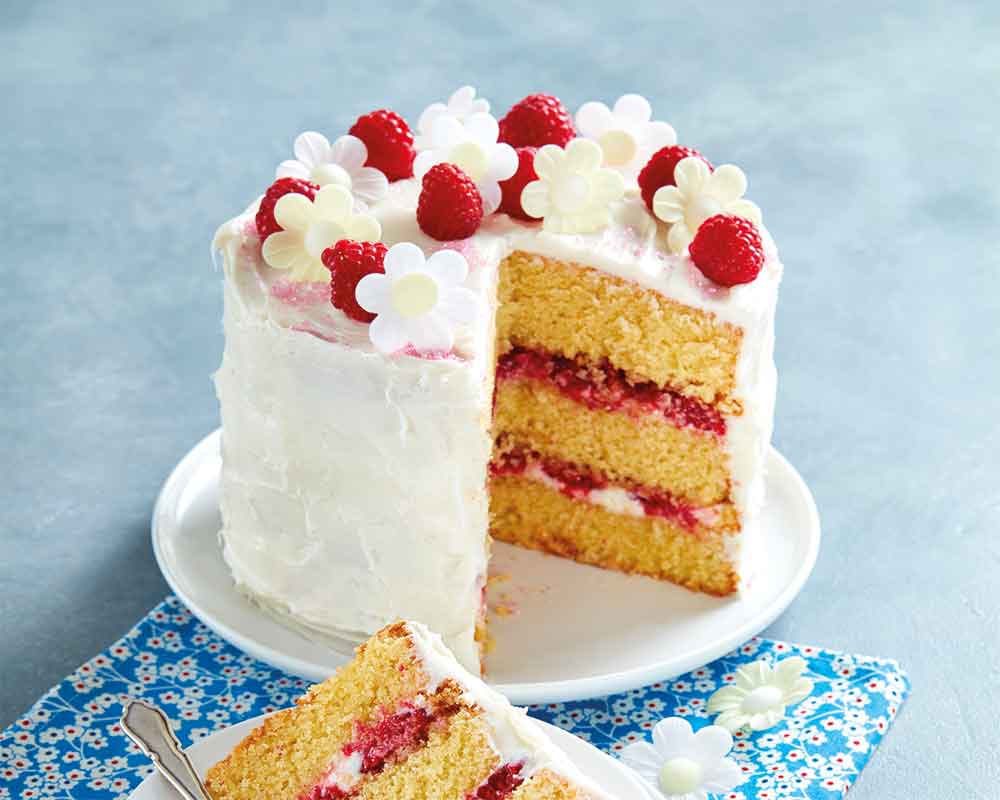
Almond & Raspberry Celebration Cake

Tomorrow is Mothering Sunday and whilst we still cannot see loved ones, there is now light at the end of the tunnel


Brighter days will comeWhether it’s for a mum, a gran, an aunt, a neighbour or a friend, now’s a great time to bake for someone who needs a little cheer.

Leave a slice or two in a pretty box on a doorstep to brighten someone’s day and celebrate the fact that there are better times ahead.


Almond & Raspberry Celebration Cake

recipe


We have a collection of 5 Brilliant Spring Bakes online – lots of scrumptious goodies to bake and share (or just eat!)

Hang on in there folks!

Hugs from us at Dairy Diary.


Emily Davenport
Emily Davenport
I post a blog every week featuring food, family and fun. There are lots of useful household tips, crafty ideas, giveaways and delicious recipes that I think you will find irresistible.

Discover a new ingredient: Gochujang Chilli Paste

Discover a new ingredient: Gochujang Chilli Paste

It’s always a pleasure trying out new ingredients, but when you discover one as delicious and versatile as this, it’s sure to be a regular in the fridge

What is Gochujang Chilli Paste?

It’s a gloopy blend of hot red pepper, fermented soybeans, garlic, vinegar and rice. The flavour is quite complex; it’s spicy but also sweet and savoury – it’s difficult to explain.

Gochujang Chilli Paste

It’s popular in Korean cookery and there’s even a Gochujang Festival held annually in Gochujang Village in Sunchang County, South Korea.

Sunchang’s warm climate is perfect for growing an abundance of Korean hot peppers; the main ingredient of the condiment.

How to use it?

The paste is very concentrated, so a little goes a long way! I made a stew for three with it and used only 1 tablespoon. I mixed beef stock, soy sauce and some mirin with the Guchujang paste and poured this over browned braising steak, potatoes and squash and cooked it on low in the slow cooker. It added a new umami depth to the usual stew flavour.

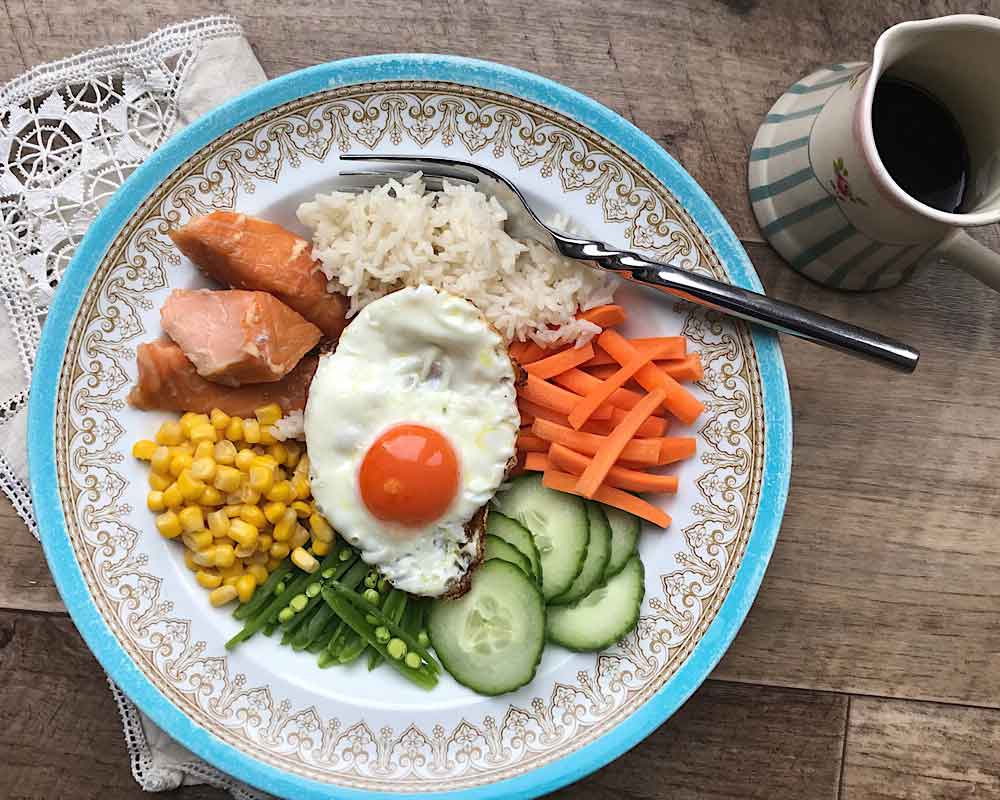
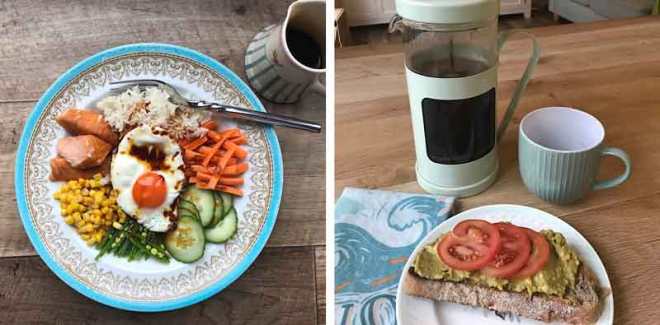
Straight out of the jar, it’s quite a thick paste, but it can be made into a sauce by mixing with oil, mirin (rice wine vinegar) and soy sauce, or even maple syrup, which is really lovely. I have drizzled this over poached salmon and Jasmine rice, and served with stir-fried veg.

It can also be added to coconut milk with katsu paste to make a katsu curry sauce, perfect for serving with panko-coated chicken breasts or sweet potato and rice.

Guchujang paste is most often used to make a dressing for a Korean bimimbap; mix 3 teaspoons with 1 tablespoon each of soy sauce, sesame oil and maple syrup.

Gochujang Chilli Paste

Bimimbap is essentially a bowl filled with an unmixed selection of rice and vegetables, possibly meat or fish, and topped with a fried egg.

Avocado on toast is my favourite breakfast and, in my opinion, difficult to better, but I have tried mashing ½ teaspoon Gochujang paste into ½ large avocado and serving on lightly toasted seeded bread – it was delicious!

Keep Guchujang paste in the fridge once the jar has been opened and have fun experimenting.

I would love to hear how you have used this paste.


Read more in the:

Emily Davenport

I post a blog every week featuring food, family and fun. There are lots of useful household tips, crafty ideas, giveaways and delicious recipes that I think you will find irresistible.
Win a copy of Around Britain cookbook

Win Around Britain cookbook

Win a copy of Around Britain cookbook


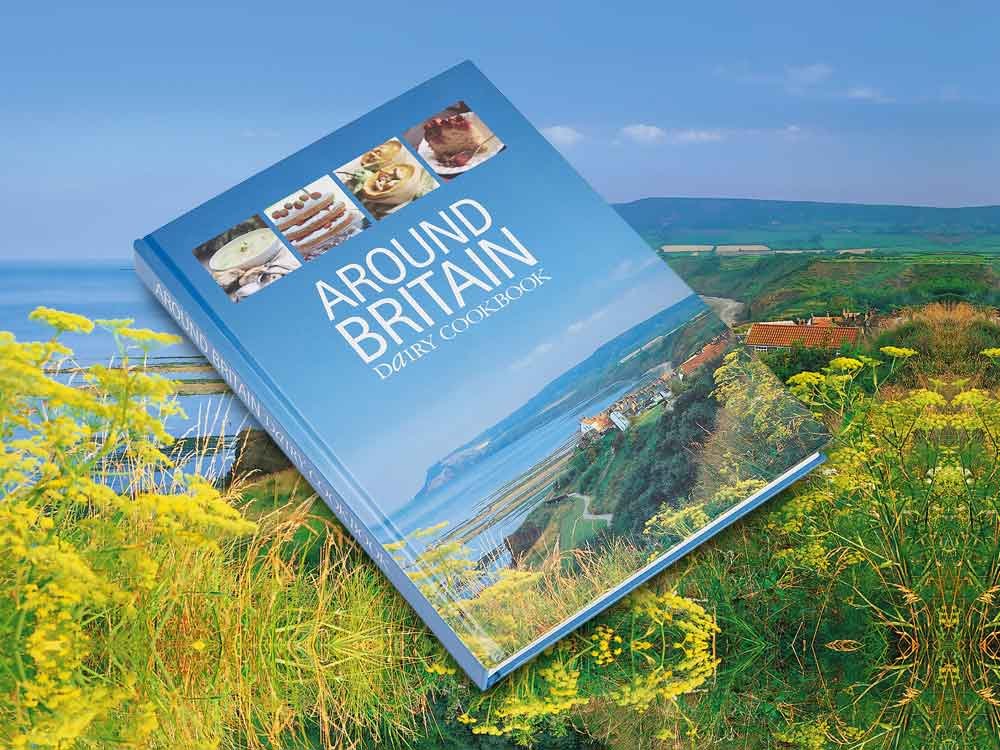
We are giving away a copy of Around Britain, one of our most popular cookbooks.

In this updated edition we explore our glorious gastronomic heritage with a collection of fascinating and delicious recipes from every region of Britain.

For a small nation, the topography of Britain is immensely varied. This fertile land yields the ingredients that have influenced our gastronomic heritage.

From the orchards of the South East to the lochs of Scotland, each region harvests its own food and creates its own dishes.

  • 130 mouthwatering recipes
  • Clear and easy to follow
  • Triple tested for success
  • Regional guides
  • Colour image for each recipe
  • Cook’s information

ENTER

An iconic recipe for St David’s Day

Bara Brith

Happy St David’s Day!

I hope the sun is shining and early daffodils are beginning to flourish where you are; these gorgeous golden flowers really help to lift the spirits.

Why is the daffodil worn to commemorate St David’s Day?

In comparison with the ancient Welsh associations of the leek, the daffodil has only recently assumed a position of national importance. An increasingly popular flower during the 19th century, especially among women, its status was elevated by the Welsh-born prime minister David Lloyd George, who wore it on St David’s Day in 1911.

St Davids, where St David is said to have founded a monastery, is well worth a visit (when permitted of course; we can plan and dream). This lovely miniature city – the smallest city in Britain – with a particularly spectacular cathedral, it’s just a stone’s throw from the spectacular beaches of Pembrokeshire. I have very fond memories of wandering its lanes surrounding the ecclesiastic buildings, enjoying the sunshine whilst getting a very tiny little one off to sleep in his pram.

That same holiday, we stayed in a quaint cottage, and the owners kindly welcomed us with a home-baked Bara Brith. This deliciously moist fruit bread or ‘speckled bread’ as is the definition, is perfect spread with real butter and served with a cup of tea.

Here is the Bara Brith recipe from Around Britain. This lovely cookbook takes us on a culinary tour around England, Wales and Scotland, introducing us to traditional regional delights.

Read more on the DAIRY DIARY BLOG

Emily Davenport

Emily Davenport

I post a blog every week featuring food, family and fun. There are lots of useful household tips, crafty ideas, giveaways and delicious recipes that I think you will find irresistible.