The UK’s longest-running awareness week has been extended to a fortnight for its special 25th anniversary
This follows last year’s Covid lockdown prompted stay-at-home Easter, where a record 11 million BBQs were held according to nationalbbqweek.info. And that figure is set to increase in 2021!
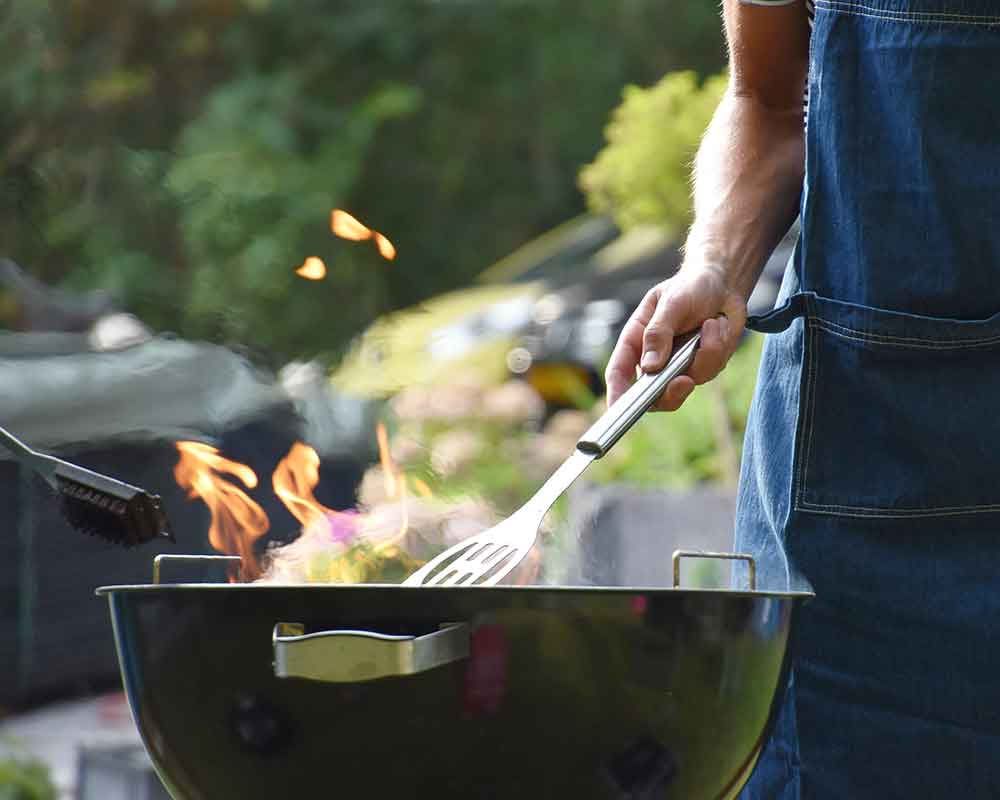
We have put together a collection of super BBQ tips and a few fab recipes that are great for alfresco eating to help you make the most of the sunshine (when it appears!) and host a spectacular barbi.
Clean up
Clean your barbecue after each use – this will save any nasty surprises the next time you come to the grill.
Handy tools
Keep all your barbecue tools handy to avoid traipsing back and forth to the kitchen too many times. Place everything on a side table next to the barbecue. This means you won’t have to leave the grill unattended, and you can spend more time with your guests. Always make sure tools are thoroughly cleaned and dried before putting them away.
Meat temperature
To avoid burning and drying your food, remove meat and poultry from the fridge an hour before cooking to bring it back to an ambient temperature. This will result in a more succulent cooked result. Be sure to keep the meat covered and out of direct sunlight.
Use long-handled tools
Protect your hands from the heat – always use long-handled tools, such as tongs, for handling the food.
Marinating
Add flavour to your meat and keep it tender by marinating for at least 20 minutes. Some meats are better left overnight, while fish only needs 20-30 minutes – the acid in the marinade will ‘cook’ it if left overnight.
Cook in foil
Save the stress of foods falling apart as you cook them – wrap them in foil. Those foods that easily stick or burn, such as fish, can be wrapped up in foil. Brush the foil with oil before adding the fish, add salt, pepper, a squeeze of lemon and a splash of white wine. Fold the corners together to seal the foil and keep the juices in.
Rarely celebrated today, 29 May is also known as Oak Apple Day, the former public holiday held to commemorate the restoration of the monarchy.
In some regions, and in particular the midlands, celebrations of Oak Apple Day continue to this day where it is common for people to decorate their houses with oak branches or wear a sprig of oak as their ancestors once did.
In Northampton, a garland of oak apples is laid at the statue of King Charles II, whilst in Castleton, Derbyshire, the Garland King rides through the streets of the town at the head of a procession. The medieval Great Hall at the Commandery in Worcester, where a portrait of Charles II portrait hangs, is festooned with garlands of oak leaves and its gardens filled with Morris dancing, garden games and living history.
As with every region of Britain, Western England is also famed for its culinary heritage. From the Staffordshire oatcake to Birmingham Bacon Cakes, Malvern Cherry cake and Shrewsbury biscuits, Worcestershire sauce and, of course, Cadbury chocolate.
Our Around Britain cookbook showcases some classic recipes from this region of central England and introduces us to more of its culinary history.
The shire counties are sometimes known as the Heart of England and certainly, the rolling Malvern Hills, the honey-stone Cotswold cottages and the orchards seen in these western regions are quintessentially English sights.
The region is a foodie’s delight for every year the Ludlow Food Fair highlights the huge variety of excellent fare on offer. The warm, moist climate and rich, heavy soil create fertile conditions for fruit and vegetables, while the grassy hills have long been populated by sheep, which provide meat and wool for the weaving industries.
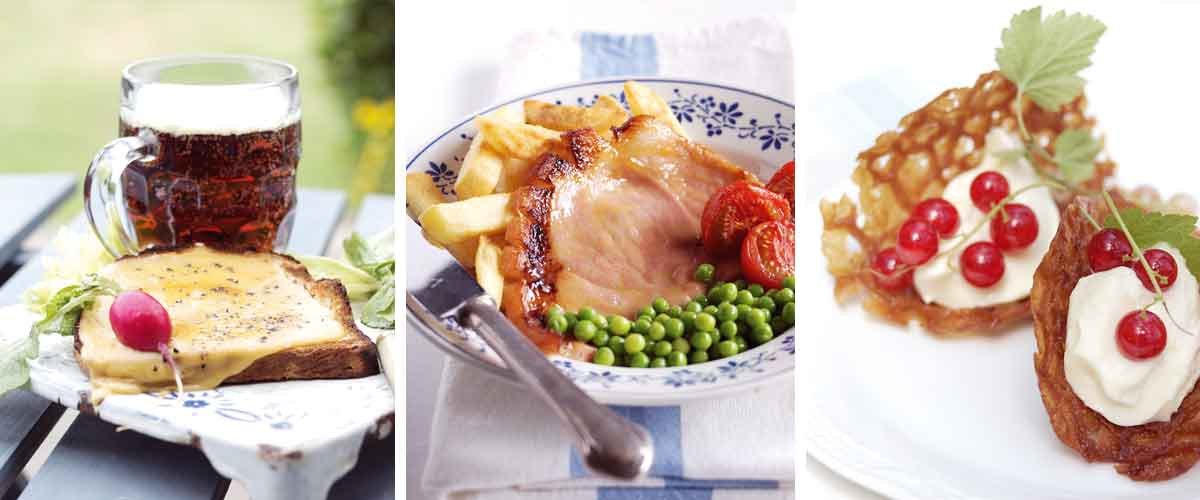
But it is dairy farming in this region that provides ingredients for its well-known chocolate bars and yogurt desserts. Also renowned are its cheeses, such as the golden Double Gloucester, excellent in a variation of Welsh rarebit called Gloucester cheese and ale (page 34), where cheese and mustard are baked in brown ale. Land where cows graze happily will also fatten beef cattle and this region hosts the famous white-faced Hereford breed, which produces meat of great flavour and tenderness.
The sheep that graze the Cotswold Hills have inspired many lamb dishes, including the curiously named Gloucestershire squab pie, which blends the meat with spices and apple, and the equally misleading Oxford John steak (page 124), which is actually leg of lamb with capers. Other popular meat dishes in this region are faggots (originally made from offal with herbs and spices) and the beef-based Warwickshire stew. However, pork is the meat mainstay, perhaps because pigs once did the job of removing the windfalls in the apple, pear and plum orchards of this region. There is even a ‘Midlands cut’ of bacon, and a dish popular on the borders of the Welsh Marches is loin of pork with cabbage cake.
Gloucester cheese and ale (page 34); centre: Painswick bacon chops (page 119) and, above, brandy snaps (page 71).
While we’re on the subject of cake, there are several notable recipes from Western England. Brandy snaps (see page 71) and gingerbread are both local favourites. Staffordshire fruit cake is a well-known recipe made extra rich with the addition of black treacle and brandy; there is also a spiced Oxford cake and, best known of all, the Banbury cakes originating from that north Oxfordshire town. These are made from puff pastry filled with raisins and dried fruits.
Other eponymous recipes include Shrewsbury biscuits (page 77), which are rather like shortbread, Coventry God cakes (a traditional christening gift from godparents) and the great favourite of Staffordshire, oatcakes, which are closer to pancakes than oat biscuits and can be eaten with sweet or savoury accompaniments.
No review of the food from this area can omit to mention the famous Worcestershire Sauce, a liquid that adds flavour to almost any savoury recipe and which originated when the Governor of Bengal returned to his native Worcester and tried to re-create an Indian recipe. The sauce was a complete disaster until tasted after several months when it had matured into the fine ingredient still used today. Similarly bizarre is the heritage of Cooper’s Oxford marmalade, which is famous for its chunks of bitter peel from a variety of Seville oranges grown in Andalusia. Apparently, hardly anybody else can use the fruit because it’s so bitter!
Castles, Cotswolds and Crockery
Western England provides a miniature history of Britain. It starts with the infighting between different regions and the quest for the English crown, which led to the building of huge fortresses to protect land and power. The best-preserved example of a medieval castle in Britain is at Warwick, where the immense proportions of this 1000-year-old fortress are still a formidable sight.
Less intact but full of history is Ludlow Castle, home to Princes Edward and Richard, the sons of Edward IV who were taken to the Tower of London and most probably murdered there. Another fine ruin is Kenilworth, immortalised by Sir Walter Scott in his nineteenth-century novel of the same name.
In medieval Britain, the unlikely power base of the economy was the Cotswolds because this sheep-rearing region produced the wool vital for clothing and trade. Numerous homes and churches were built in the local honey-coloured limestone and today these form the ‘chocolate box’ landscape of middle England.
The decline of the wool trade (which, ironically, helped to preserve this landscape) reflected a change to an industrial economy epitomised by the Potteries in Staffordshire. Abundant local supplies of the raw materials clay, salt and lead for glazing and coal for firing kilns, led firms such as Wedgwood, Royal Doulton and Spode to manufacture their earthenware and stoneware here. It wasn’t pretty, but it created the English ceramic industry.
Emily Davenport
I post a blog every week featuring food, family and fun. There are lots of useful household tips, crafty ideas, giveaways and delicious recipes that I think you will find irresistible.
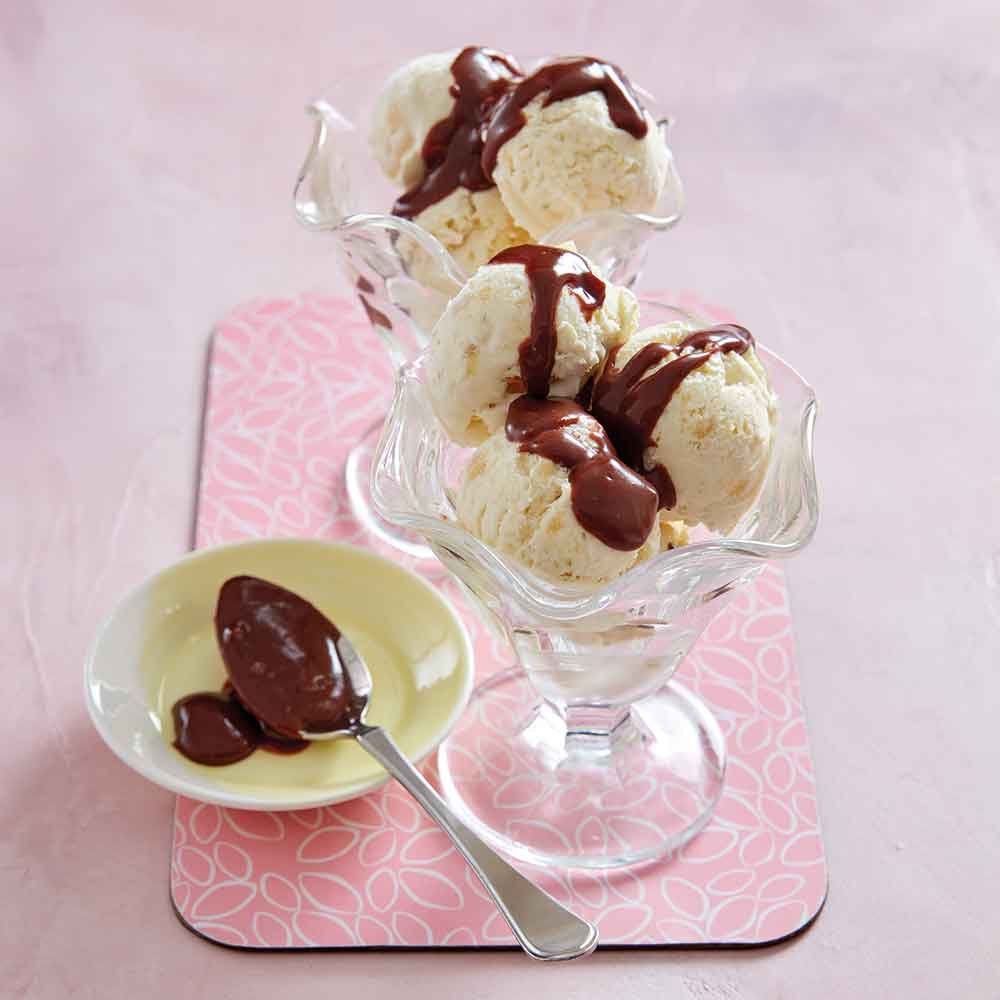
Prior to my time at Dairy Diary (a very long time ago!) I thought of ice cream making as some sort of magical alchemy; something unattainable in an ordinary kitchen.
But actually, it’s not that tricky at all, in fact, it’s pretty simple, rewarding, and also delicious!
Let me show you just how simple it really is…
And if you fancy having a go at this recipe – believe me it’s worth a try as it tastes soooo good – here’s the recipe.
After what has felt like a never-ending winter with arctic temperatures, we are beginning to see some gorgeous weather!
When the sun comes out my attention soon turns to whipping up delicious light and healthy meals; to provide a little inspiration we have put together a compilation of 5 fab suppers under 500 calories.
Perfect for warmer evenings where you could dine out on the patio – you may need a blanket as the sun goes down though!
One of my favourite cookbooks is Quick After-Work, we reach for this collection of tasty recipes quite often when meal planning, as all recipes can be on the table in under 30 minutes!
Of course, I had to include some of my family’s best-loved dishes from this book.
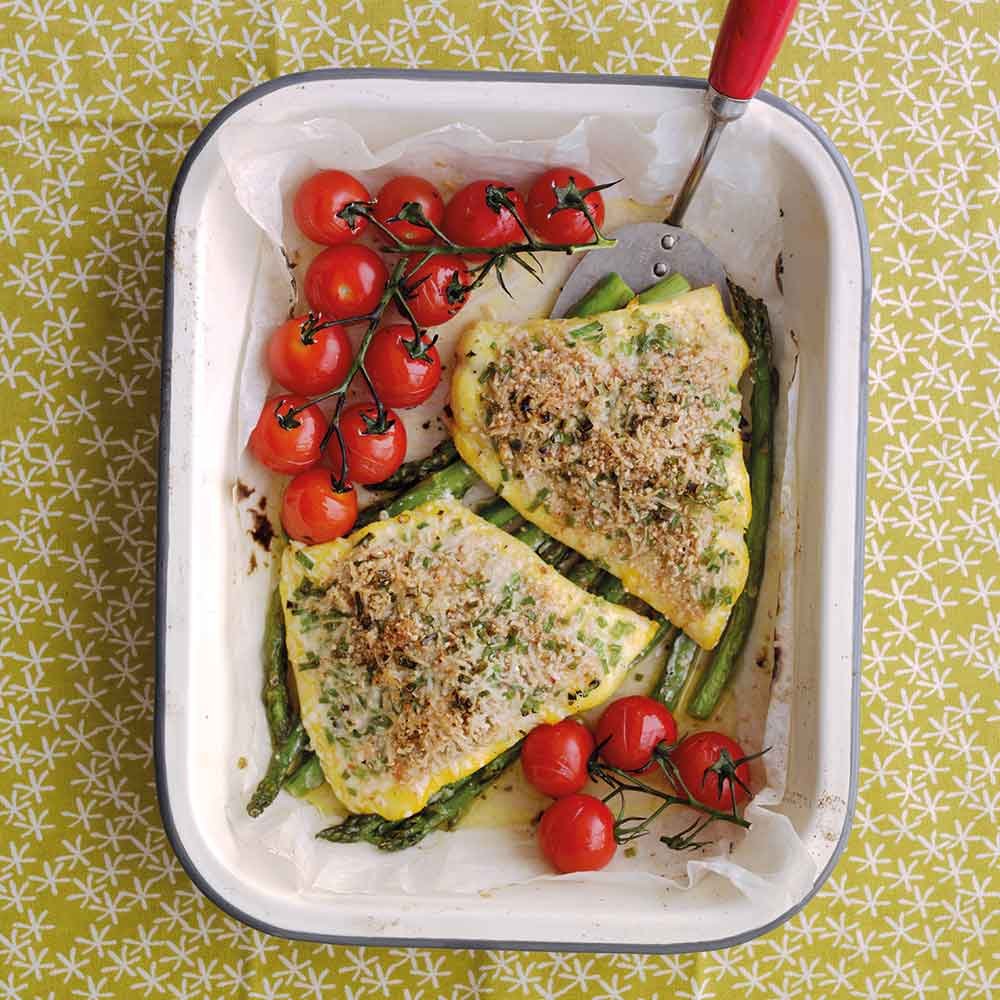
‘If it swims it slims’ is a statement that inspires my meals when I’m trying to lose a few pounds.
This doesn’t mean going hungry, haddock is a great source of protein that keeps you fuller for longer and is bursting with essential vitamins – not to mention it tastes amazing!
If you need a little spring in your stride then you must take a look at our newest cookbook, A Zest For Life!
It was almost impossible to narrow the whole book down to just two recipes to fit into this recipe collection…
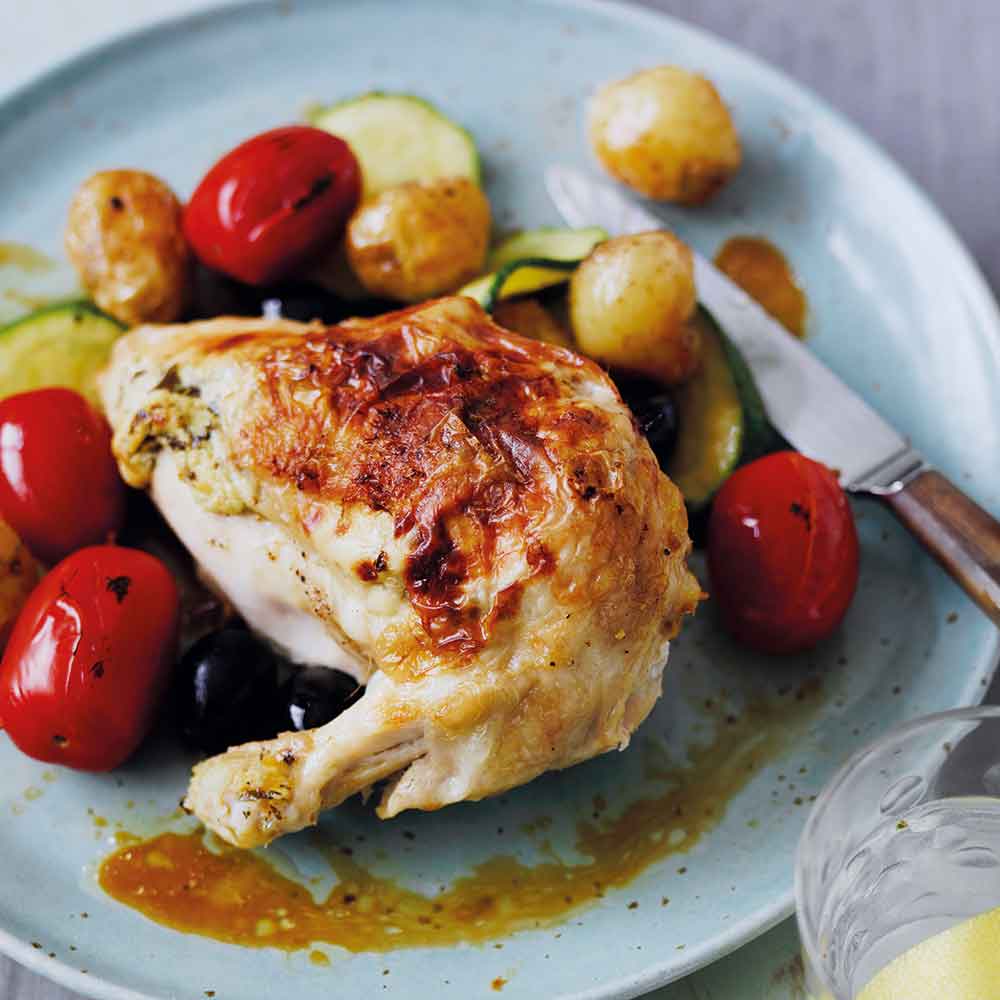
I absolute adore chicken and tarragon, I think the flavours pair perfectly. This recipe is only 363 calories too which means there is room for dessert!
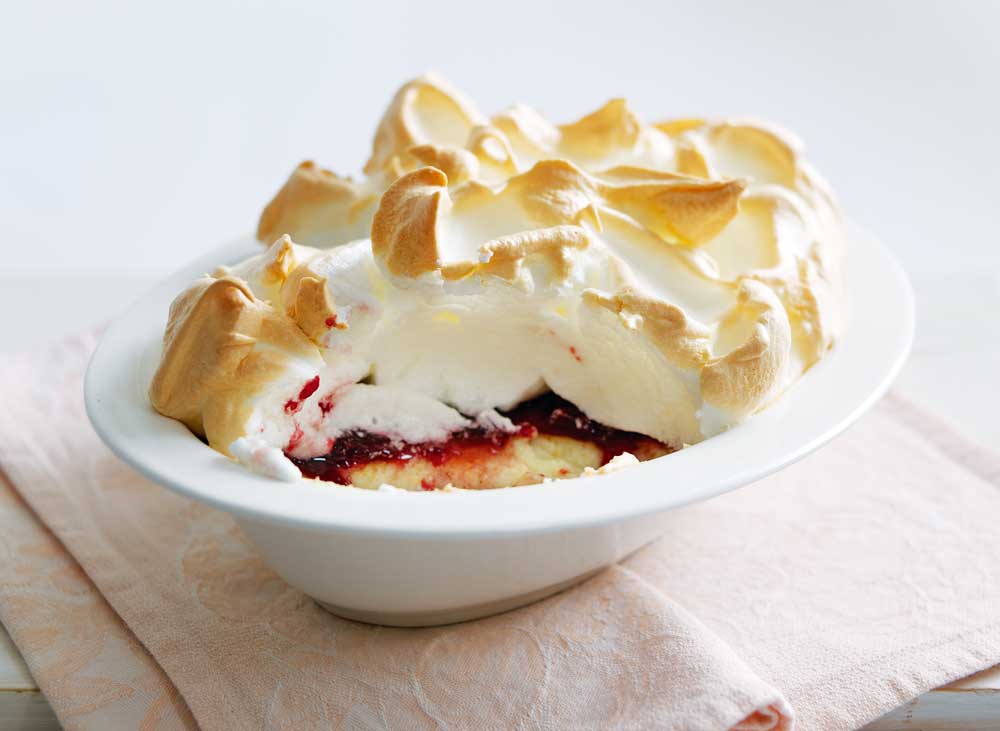
A Zest for Life has some great low in calorie puds, such as the Strawberry Tarts on page 166 which are only 106 kcals each.
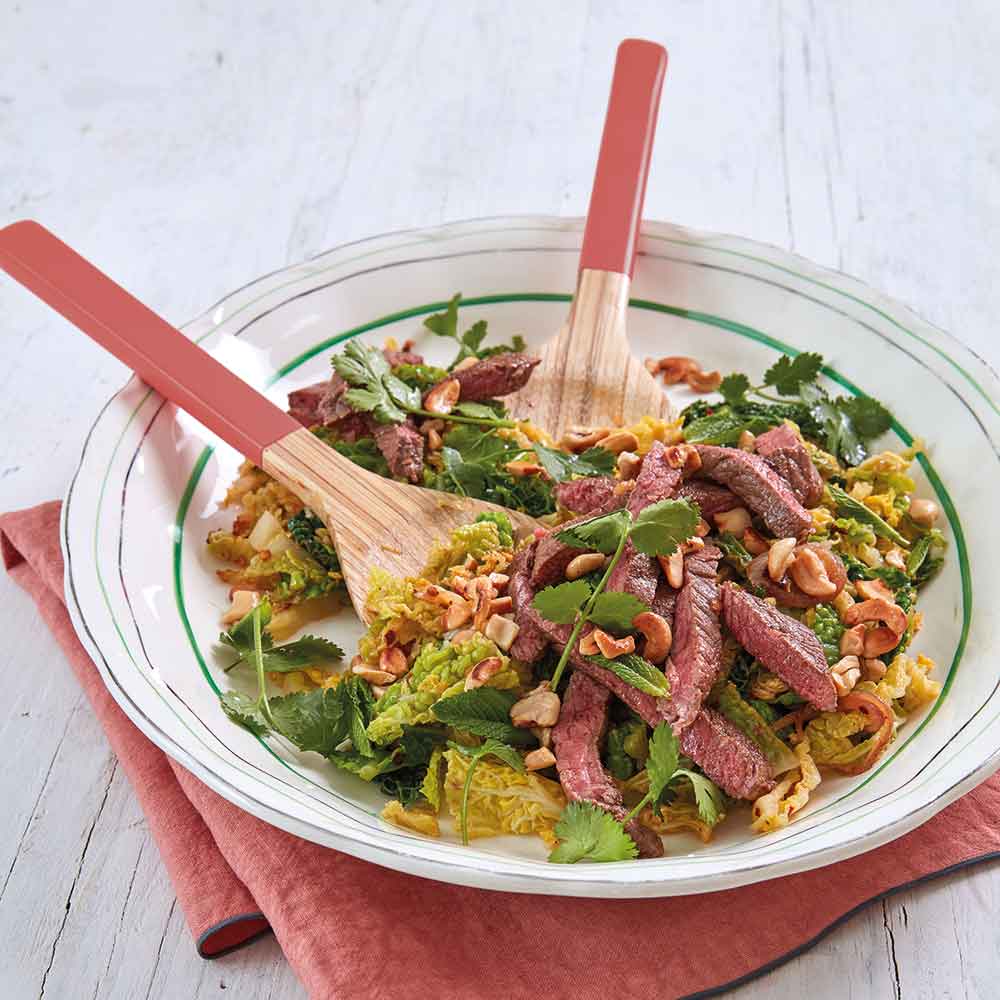
The last meal in our collection of suppers under 500 calories, and it had to be packed with Asian flavours!
This could be made with strips of chicken instead of steak and you could also swap out the cashews for roasted peanuts for a slightly different crunch.
World Baking Day is here and an occasion we love to celebrate!
Families have used our cookbooks for over 40 years to create fantastic birthday cakes, Christmas bakes and much, much more.
We all have those recipes that take us straight back to our childhood and we often get requests for dishes included in out-of-print books that have long since been lost.
Dairy Diary has produced many cookbooks over the years, full of delicious triple-tested bakes and cakes, some of which you have loved so much that they have sold out completely! However, we always save a few and store them in our archive to look back on.
Recently, after moving to a new warehouse, we discovered some precious unopened, out-of-print books that we would love to give away to one lucky winner.
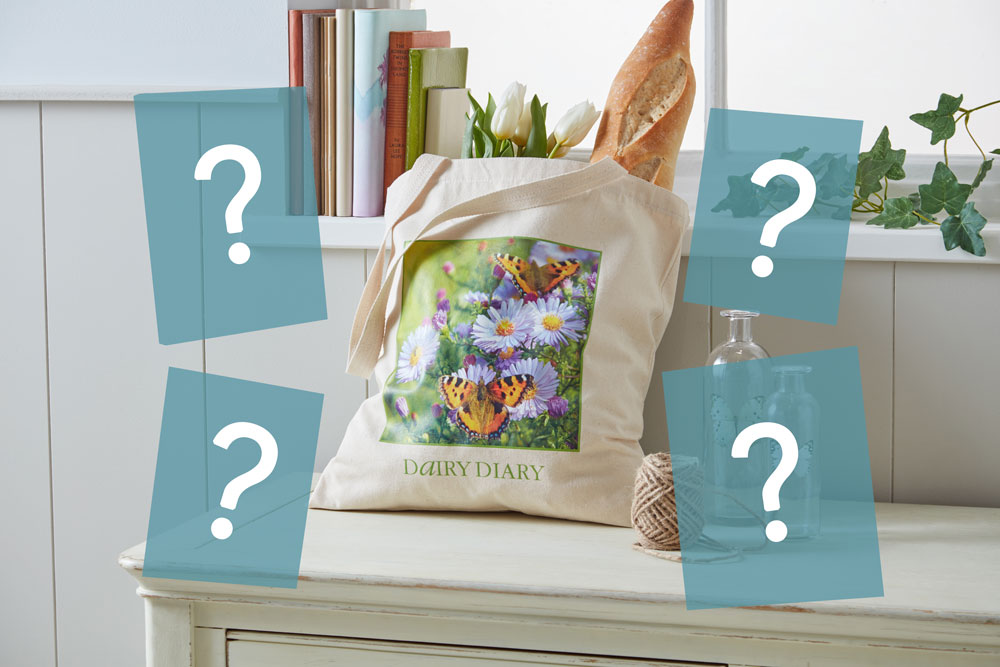
To be in with a chance of winning this fab bundle of four books (three cookbooks and a lovely surprise!) wrapped in a Dairy Diary shopping bag, please tell us your favourite bake that you remember making as a child (or as an adult!).
British asparagus season has now begun, and we can delight in these delicate, flavourful green shoots for the next month or so.
Super-versatile, asparagus can be boiled or steamed, griddled or barbecued or roasted in the oven. They work well in risotto, pasta, omelettes, the list goes on….. or simply dipped in soft-boiled egg. Mmmmm.
Each spear of asparagus is harvested by hand when it reaches just the right height.
Look out for locally grown bunches in your farm shop or farmer’s market.
This is my favourite asparagus recipe as it’s really simple and easy to prepare too – perfect for a speedy dinner.
You’ll find this in A Zest for Life cookbook together with two more recipes with asparagus: Roast Cod Loin Wrapped in Pancetta and Sea Bass with Asparagus & Roasted Potatoes.
For a limited time only, we’re offering 25% off this gorgeous book.
I post a blog every week featuring food, family and fun. There are lots of useful household tips, crafty ideas, giveaways and delicious recipes that I think you will find irresistible.









 Dairy Diary Chat