Author Archives for Emily Davenport, Head of Dairy Diary

About Emily Davenport, Head of Dairy Diary

Head of Dairy Diary; I'm passionate about producing high quality products that our customers will cherish. I'm also a mum of three and I enjoy cooking, walking, gardening and painting with my family, as well as printmaking (when I find the time!)

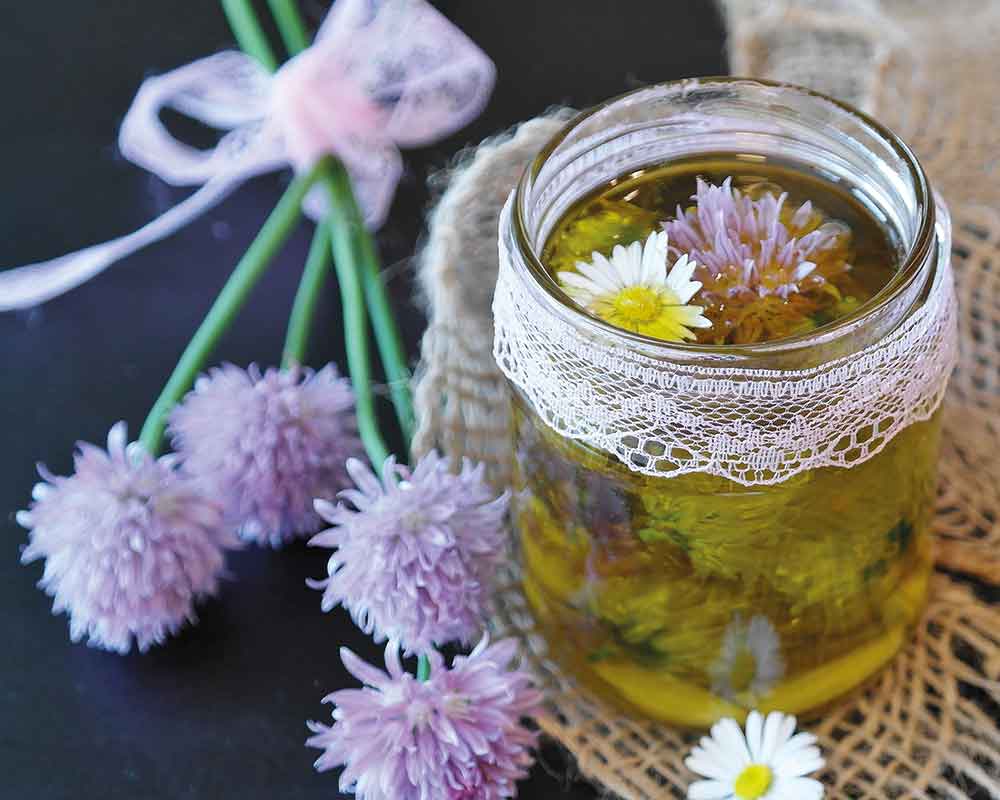
Cooking with Edible Flowers

Cooking with edible flowers

When I was a little girl, nasturtiums ran riot in our garden; self-seeded from bird food my mum used to tell me

I always loved those bright splashes of orange but never realised they were edible. I don’t suppose it’s wise telling a child that they can eat flowers!

This year’s Dairy Diary feature introduces us to many more than the nasturtium, including calendula, cornflower and viola, and how to use them with food.

Cooking with edible flowers

Cooking with edible flowers might seem like a modern trend, but floral dishes in fact draw on an ancient tradition that can be traced back to the Romans. Edible blooms contribute a genuine wow factor to a meal, adding texture, flavour and colour to both sweet and savoury dishes.

The ancient Greeks are believed to have added violets to their wine, while the imperial Chinese preferred their tipples brewed with chrysanthemums. Meanwhile, the Ottoman penchant for Turkish delight is yet another instance of flowers in gastronomic history. While the recent resurgence of cooking with flowers might be attributed to their good looks, making them perfect for the Instagram era, the roots of cooking with flowers run centuries deep.

In Britain, interest in edible blooms peaked in Victorian times: the era saw a new enthusiasm for flowers in all areas, including floriography, otherwise known as ‘the language of flowers’. The heightened significance of flowers and their associated symbolism had our 19th century forebears adding violets, primroses and borage blossoms to their meals. Petals were added to salads, used to decorate cakes or even pickled in vinegar.

Nowadays, as the appeal of local food continues to grow, native flowers frequently feature on the menus of Michelin-starred restaurants and farm shop cafés alike. A few scattered petals can elevate the appearance of a dish, adding an elegant and aesthetically pleasing touch. And should you choose to add flowers to your food, you are taking part in a time-worn tradition, motivated by the simple desire to make meals even more appetising and attractive.

Sourcing edible flowers

Cooking with edible flowers

When it comes to sourcing flowers to eat, there are three main options: grow, buy or forage! Some supermarkets now stock edible flower punnets specifically for use in cooking, but you’ll mostly be buying cut flowers to put in the pan. For this reason, it’s important to opt for untreated flowers that haven’t been sprayed with preservatives. If growing your own, care for plants accordingly and avoid weedkillers.

Foraging for edible flowers is another option. The bright hues make wildflowers easier to spot than greenery, so it’s an activity for curious children too. If you live in a city, foraging for edible flowers is still possible, but steer clear of busy roads or industrial areas where flowers might have been contaminated by pollutants.

The availability of edible flowers in the wild is seasonal, but there is almost always something to find apart from in deep winter. In spring, the cream heads of elderflower can be used to make cordial or decorate bakes. Elder leaves and bark are poisonous, so use the blossoms only. In summer, instead of cursing the dandelions poking up in your lawn, why not scatter the heads over salads? Once you tune into the possibilities, you’ll see edible flowers everywhere.

Using edible flowers

Remember not all blooms are edible: some are endangered while others can cause serious harm if consumed. Do your research and if in doubt, err on the side of caution. If buying edible flowers, always purchase from a florist or supermarket.

Hints and tips

  • Wash flowers before use, or you might find a crunchy surprise in the form of an insect!
  • Add edible flowers to salads for colour, texture and flavour. Nasturtium leaves are a great choice to add a spicy kick.
  • Arrange small, whole flowers (try violets, violas or pansies) in ice cube trays, top up with water and freeze for stunning floral ice cubes.
  • Add a few untreated rose petals to jam and preserve recipes for a floral twist.
  • Most large supermarkets stock rosewater, orange blossom extract and botanical gins. You can add these to icings or glazes for floral bakes that are subtle but not overpowering.
  • Many bolting edible plants produce blooms as they go to seed. If you grow your own broccoli or kale, add their yellow blossoms to stir-fries. Courgette flowers are an Italian delicacy. Most recipes recommend stuffing with soft cheese and herbs before deep-frying in batter.
  • The flowers of the most common herbs are safe to eat. Chive, rosemary and coriander flowers are all delicious ways to add flowers to dishes.
  • Edible flowers can also be used as natural food colourings. Calendula (yellow) was historically put to use to colour butter and rice while dried rose petals add colour to icings.
  • If you suffer from hayfever or other plant-related allergies, it is a good idea to remove the stamen and pistils of flowers before eating.

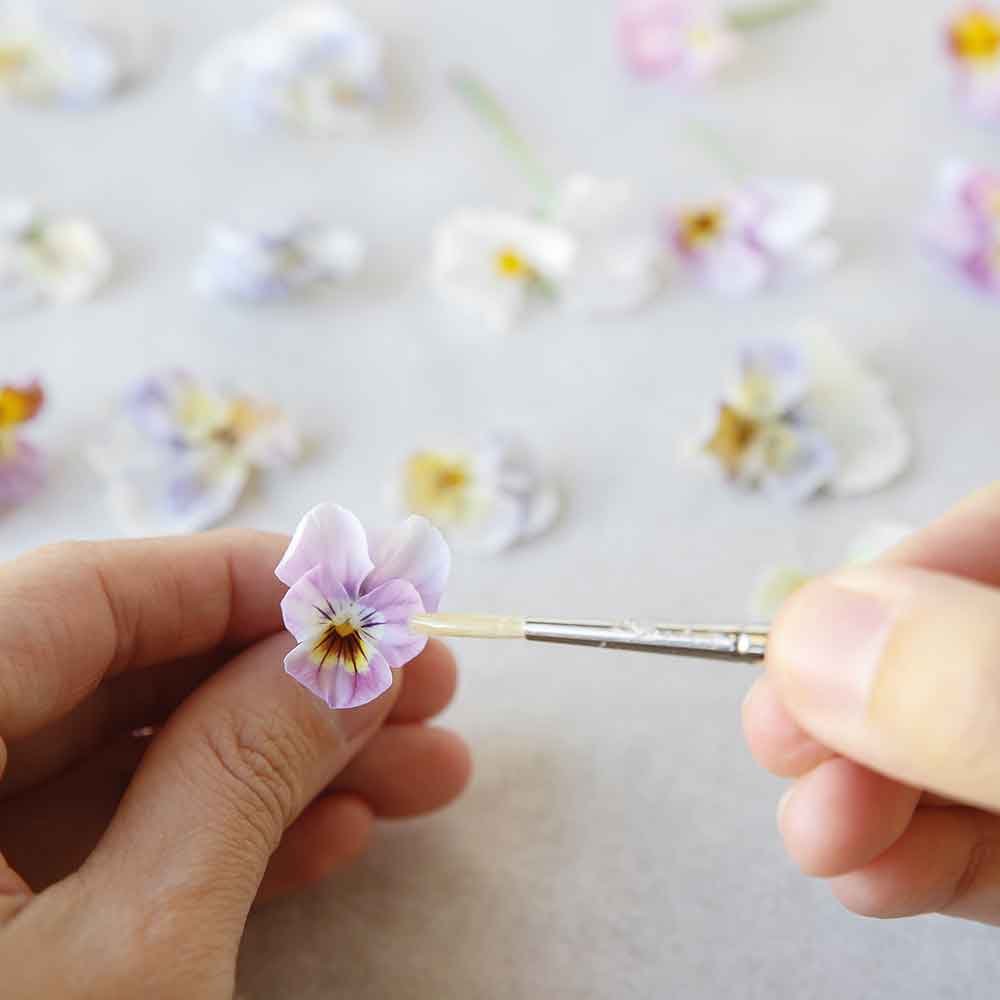
Do-it-yourself candied flowers

Try this simple recipe for crystallised blooms. It provides reliably satisfying results, making it a great project to try with older children.

  1. Gather a selection of small edible flowers: calendula, violets and pansies are classic choices, but you should feel free to use whichever edible petals you have on hand.
  2. Gently beat an egg white with a teaspoon of water. Lightly coat the petals using a small brush, then sprinkle over caster sugar. Leave overnight to dry on a sheet of baking paper on a baking tray, then store in an airtight container.
  3. They will keep for a few days and can be used to decorate cakes, biscuits or other baked goods.
Cooking with edible flowers

Six common edible flowers

  1. Calendula Also known as pot marigolds, these yellow and orange flowers have a flavour often likened to saffron.
  2. Cornflower The purple petals of this hardy annual flower have a spicy, clove-like taste.
  3. Lavender The delicate, lilac sprigs add sweetness to baked goods and a little goes a long way. Whole sprigs can also be used to garnish roast meats.
  4. Nasturtium Easy to grow (though they prefer poorer soils), nasturtiums have a peppery kick not unlike watercress. In addition to its edible flowers and leaves, the seeds can be pickled for an unusual alternative to capers.
  5. Rose The petals of the English national flower are faintly perfumed and can be used for decorative purposes or to make homemade rosewater for culinary use. Darker-coloured roses tend to have a stronger flavour. Remember to use untreated roses.
  6. Sweet violet, viola and pansy These small flowers are subtly aromatic and their diminutive size means they are perfect for using as a garnish or for cake decoration.
Elderflower Cordial

Spiced Elderflower Cordial

Makes 1½ litres (2½ pints) • Time 6 days
Calories 284 • Fibre 0.1g • Salt 0g • Sugar 75g
Fat 0g of which 0g is saturated
Suitable for vegetarians

Caster sugar 1kg (2lb 4oz)
Boiling water 900ml (1½ pints)
Citric acid 50g (2oz)
Elderflower heads 20, flowers snipped from stems
Lemon 1, thinly sliced
Limes 4, thinly sliced
Root ginger 50-75g (2-3oz), peeled & sliced

1. Put sugar in a bowl, add boiling water and stir until dissolved. Add citric acid and elderflowers; stir. Stir in sliced lemon, limes and ginger. Cover with clingfilm and put in a cool place for 6 days, stirring daily.

2. Place a colander or sieve over a bowl and line with muslin or clean J-cloths. Pour boiling water through to sterilise. Pour away water and wring out cloth.

3. Re-line sieve or colander, replace over bowl and strain the cordial through it. Discard elderflowers, lemon, limes and ginger.

4. Pour cordial through a funnel into two sterilised 75cl (1¼ pint) wine bottles. Seal with corks or screw caps and store in fridge. Will keep for a year or more. Serve diluted with chilled white wine, tonic or soda water, or top up with boiling water to make a hot toddy.
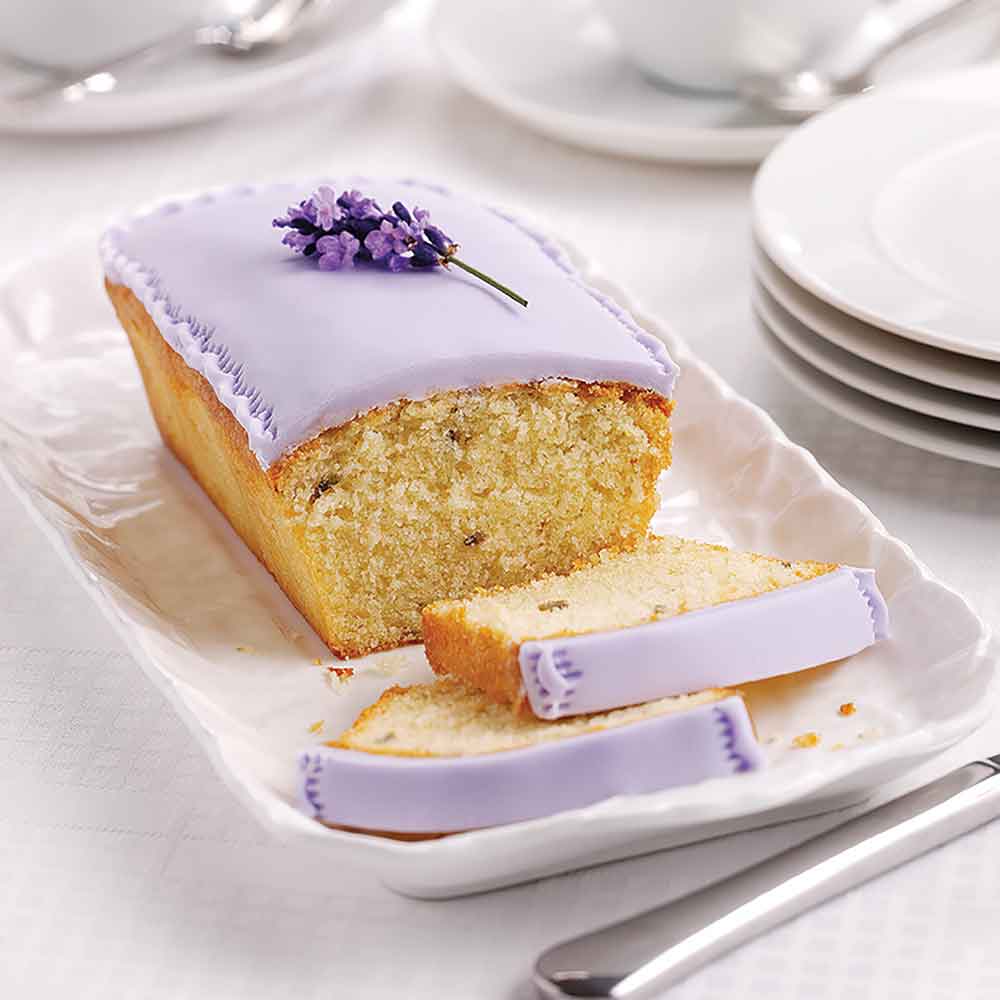
Iced Lavender Loaf

Iced Lavender Loaf

Fragrant and very pretty – this cake is irresistible! Try out this Iced Lavender Loaf for an Afternoon Tea or just as a treat. A Dairy Diary recipe. For more delicious recipes visit the Dairy Diary Recipe Collection.

CLICK HERE FOR RECIPE

Emily Davenport
Emily Davenport

I post a blog every week featuring food, family and fun. There are lots of useful household tips, crafty ideas, giveaways and delicious recipes that I think you will find irresistible.

Ideas for National Children’s Garden Week

National Children's Garden Week

With everything now in full leaf, the sun finally shining AND a bank holiday, it’s the perfect time to get out in the garden

And as it’s National Children’s Gardening Week this week why not encourage little ones to join in too? This annual event celebrates the fun that gardens hold for children. Take a look at their website for all sorts of simple garden projects.

Seeing something they have planted flourish gives children a sense of wonder and accomplishment.

You could plant fruit, herbs or veg (now’s a perfect time for tomatoes, courgettes and peppers), or maybe a simple planter. There’s an abundance of bedding plants available at the moment and you could encourage them to choose your own. Or look for specific varieties.

Planting a summer container

These work really well together in a pot, should be simple to maintain (regular watering and a weekly feed) and give colour for months to come: Petunias, Lobelia and Salvia. Use a pot, planter, or even an old bowl or sink.

The more creative the better!

Emily Davenport

Emily Davenport

I post a blog every week featuring food, family and fun. There are lots of useful household tips, crafty ideas, giveaways and delicious recipes that I think you will find irresistible.

Regional British Food Part 2 (and quirky customs!)

Cherry, Pineapple & Banana Cake

Regional British Food part 2: Western England

Rarely celebrated today, 29 May is also known as Oak Apple Day, the former public holiday held to commemorate the restoration of the monarchy.

In some regions, and in particular the midlands, celebrations of Oak Apple Day continue to this day where it is common for people to decorate their houses with oak branches or wear a sprig of oak as their ancestors once did.

In Northampton, a garland of oak apples is laid at the statue of King Charles II, whilst in Castleton, Derbyshire, the Garland King rides through the streets of the town at the head of a procession. The medieval Great Hall at the Commandery in Worcester, where a portrait of Charles II portrait hangs, is festooned with garlands of oak leaves and its gardens filled with Morris dancing, garden games and living history.

As with every region of Britain, Western England is also famed for its culinary heritage. From the Staffordshire oatcake to Birmingham Bacon Cakes, Malvern Cherry cake and Shrewsbury biscuits, Worcestershire sauce and, of course, Cadbury chocolate.

Our Around Britain cookbook showcases some classic recipes from this region of central England and introduces us to more of its culinary history.


Don’t miss this bargain bundle!

Around Britain cookbook, plus Just for 1 or 2 for just £15.50 (plus p&p).

BUY NOW

Around Britain + Just for 1 or 2 Cookbook Deal £15.50

Around Britain Cookbook Western England Guide

The shire counties are sometimes known as the Heart of England and certainly, the rolling Malvern Hills, the honey-stone Cotswold cottages and the orchards seen in these western regions are quintessentially English sights.

The region is a foodie’s delight for every year the Ludlow Food Fair highlights the huge variety of excellent fare on offer. The warm, moist climate and rich, heavy soil create fertile conditions for fruit and vegetables, while the grassy hills have long been populated by sheep, which provide meat and wool for the weaving industries. 

But it is dairy farming in this region that provides ingredients for its well-known chocolate bars and yogurt desserts. Also renowned are its cheeses, such as the golden Double Gloucester, excellent in a variation of Welsh rarebit called Gloucester cheese and ale (page 34), where cheese and mustard are baked in brown ale. Land where cows graze happily will also fatten beef cattle and this region hosts the famous white-faced Hereford breed, which produces meat of great flavour and tenderness.

The sheep that graze the Cotswold Hills have inspired many lamb dishes, including the curiously named Gloucestershire squab pie, which blends the meat with spices and apple, and the equally misleading Oxford John steak (page 124), which is actually leg of lamb with capers. Other popular meat dishes in this region are faggots (originally made from offal with herbs and spices) and the beef-based Warwickshire stew. However, pork is the meat mainstay, perhaps because pigs once did the job of removing the windfalls in the apple, pear and plum orchards of this region. There is even a ‘Midlands cut’ of bacon, and a dish popular on the borders of the Welsh Marches is loin of pork with cabbage cake.

Recipes from Western England
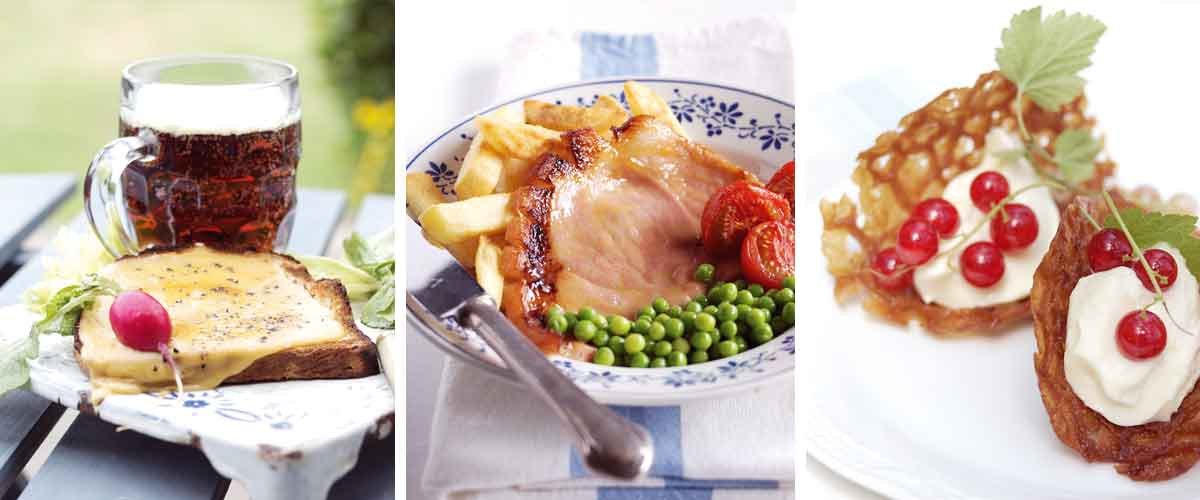
Gloucester cheese and ale (page 34); centre: Painswick bacon chops (page 119) and, above, brandy snaps (page 71).

While we’re on the subject of cake, there are several notable recipes from Western England. Brandy snaps (see page 71) and gingerbread are both local favourites. Staffordshire fruit cake is a well-known recipe made extra rich with the addition of black treacle and brandy; there is also a spiced Oxford cake and, best known of all, the Banbury cakes originating from that north Oxfordshire town. These are made from puff pastry filled with raisins and dried fruits.

Other eponymous recipes include Shrewsbury biscuits (page 77), which are rather like shortbread, Coventry God cakes (a traditional christening gift from godparents) and the great favourite of Staffordshire, oatcakes, which are closer to pancakes than oat biscuits and can be eaten with sweet or savoury accompaniments. 

No review of the food from this area can omit to mention the famous Worcestershire Sauce, a liquid that adds flavour to almost any savoury recipe and which originated when the Governor of Bengal returned to his native Worcester and tried to re-create an Indian recipe. The sauce was a complete disaster until tasted after several months when it had matured into the fine ingredient still used today. Similarly bizarre is the heritage of Cooper’s Oxford marmalade, which is famous for its chunks of bitter peel from a variety of Seville oranges grown in Andalusia. Apparently, hardly anybody else can use the fruit because it’s so bitter! 

Castles, Cotswolds and Crockery

Western England provides a miniature history of Britain. It starts with the infighting between different regions and the quest for the English crown, which led to the building of huge fortresses to protect land and power. The best-preserved example of a medieval castle in Britain is at Warwick, where the immense proportions of this 1000-year-old fortress are still a formidable sight. 

Ludlow Castle

Less intact but full of history is Ludlow Castle, home to Princes Edward and Richard, the sons of Edward IV who were taken to the Tower of London and most probably murdered there. Another fine ruin is Kenilworth, immortalised by Sir Walter Scott in his nineteenth-century novel of the same name.

In medieval Britain, the unlikely power base of the economy was the Cotswolds because this sheep-rearing region produced the wool vital for clothing and trade. Numerous homes and churches were built in the local honey-coloured limestone and today these form the ‘chocolate box’ landscape of middle England. 

The decline of the wool trade (which, ironically, helped to preserve this landscape) reflected a change to an industrial economy epitomised by the Potteries in Staffordshire. Abundant local supplies of the raw materials clay, salt and lead for glazing and coal for firing kilns, led firms such as Wedgwood, Royal Doulton and Spode to manufacture their earthenware and stoneware here. It wasn’t pretty, but it created the English ceramic industry. 

Emily Davenport

Emily Davenport

I post a blog every week featuring food, family and fun. There are lots of useful household tips, crafty ideas, giveaways and delicious recipes that I think you will find irresistible.

Our Favourite Seasonal Food: Asparagus

Asparagus

British asparagus season has now begun, and we can delight in these delicate, flavourful green shoots for the next month or so.

Super-versatile, asparagus can be boiled or steamed, griddled or barbecued or roasted in the oven. They work well in risotto, pasta, omelettes, the list goes on….. or simply dipped in soft-boiled egg. Mmmmm.

Each spear of asparagus is harvested by hand
when it reaches just the right height.

Look out for locally grown bunches in your farm shop or farmer’s market.

This is my favourite asparagus recipe as it’s really simple and easy to prepare too – perfect for a speedy dinner.

Hot Roast Asparagus & Potato Salad

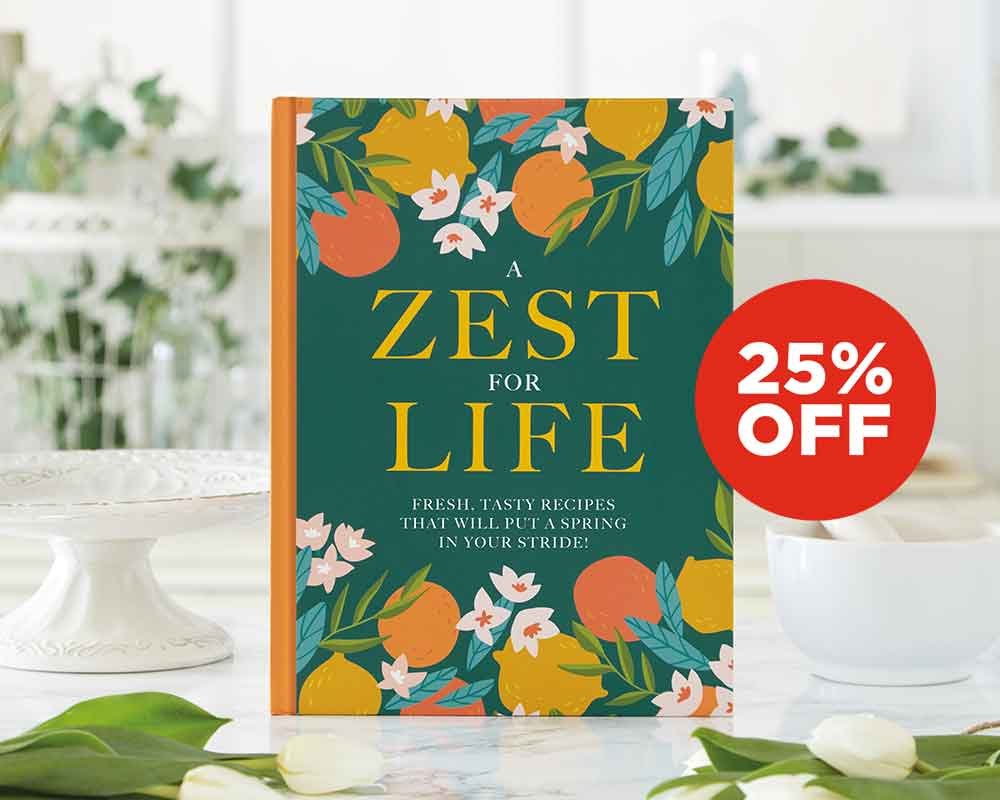
Save 25% on A Zest For Life

You’ll find this in A Zest for Life cookbook together with two more recipes with asparagus: Roast Cod Loin Wrapped in Pancetta and Sea Bass with Asparagus & Roasted Potatoes.

For a limited time only, we’re offering 25% off this gorgeous book. 

Just use the code ZN25 at checkout.

Emily Davenport

Emily Davenport

I post a blog every week featuring food, family and fun. There are lots of useful household tips, crafty ideas, giveaways and delicious recipes that I think you will find irresistible.
25% off our stunning cookbook!

Save 25% on A Zest For Life

Warmer weather, blossoms blooming and 25% off our stunning cookbook – all things to enjoy this May!

A Zest for Life cookery book is certain to put a spring in your stride, as each recipe takes seasonal, fresh produce to create scrumptious dishes that have been triple tested to ensure their success.

Whether you are new to cooking or a seasoned foodie, we are sure you will love it.

This cookbook elevates simple ingredients whilst minimising fuss, no faddy foods in sight!

You don’t have to take our word for it though, we put our cookbook in the hands of testers to see what they thought…

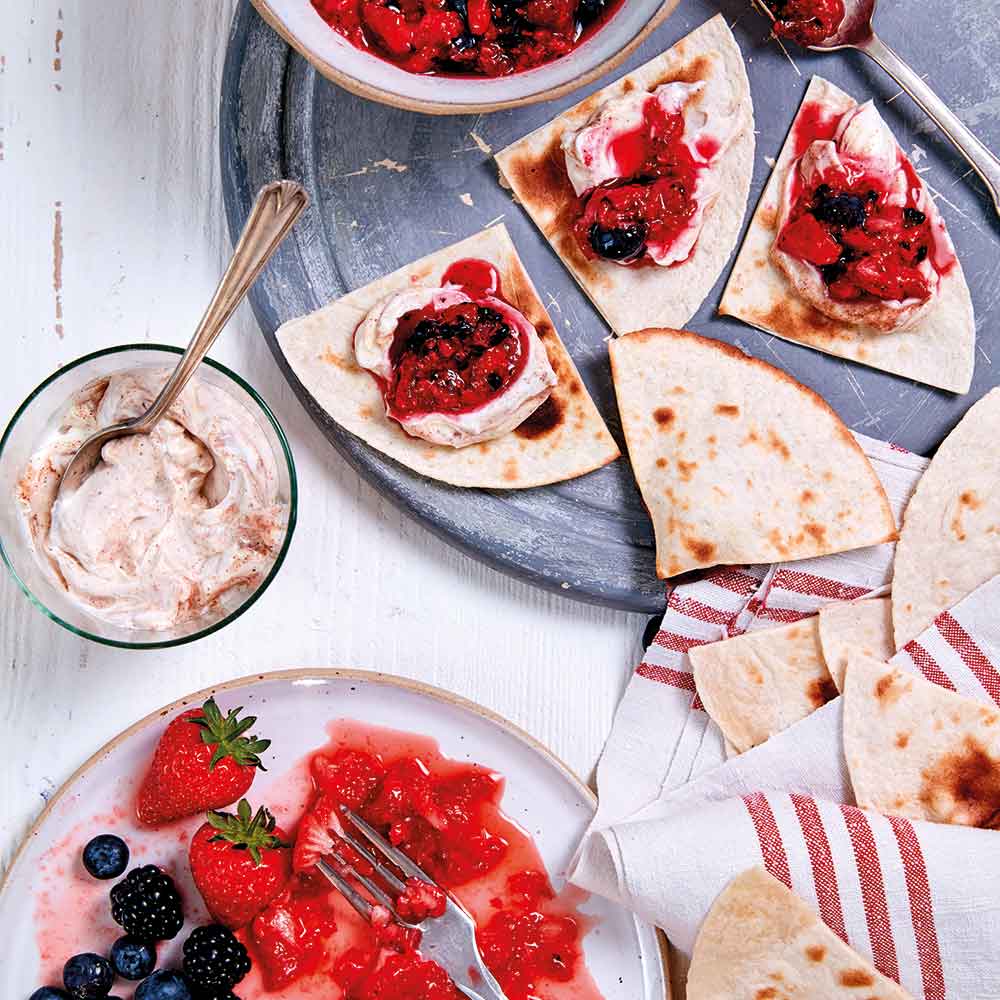
Three recipes from A Zest For Life cookbook

“Once again I tried a recipe from @originaldairydiary and again I achieved a perfect result!” – @janeyfoodlover


“Sometimes you don’t need much to create amazing dishes full of flavour and packed with goodness” – @foodandpug_


“Strawberry Balsamic Sorbet 🍓 made using @originaldairydiary  recipe! It’s so easy and so yumm!” – @yorkshiregal_foodie


For a limited time, we are giving you a 25% discount on our hugely popular A Zest for Life cookbook so you can rustle up wholesome dishes at home and see what all the fuss is about.

Please use code ZF25 at the checkout to redeem your saving. Don’t forget, if you spend over £20 you also get free delivery!

Emma Snow

Emma Snow

I am the Brand Executive for Dairy Diary. A passionate foodie (with a very sweet-tooth). Who likes to blog about all things DIY & scrumptious recipes.

3 Bank Holiday Breakfasts to Eat Outdoors

Now that we are able to socialise outdoors, seize the opportunity to invite friends or family over to your garden for brunch.

As the evenings are still pretty chilly, make the most of the morning sunshine (hopefully!) with a delicious late breakfast.

Scrub the garden furniture, lay on a pretty cloth and some beautiful china; definitely your best teapot or coffee pot – dependent on your preference – and dine on the terrace.

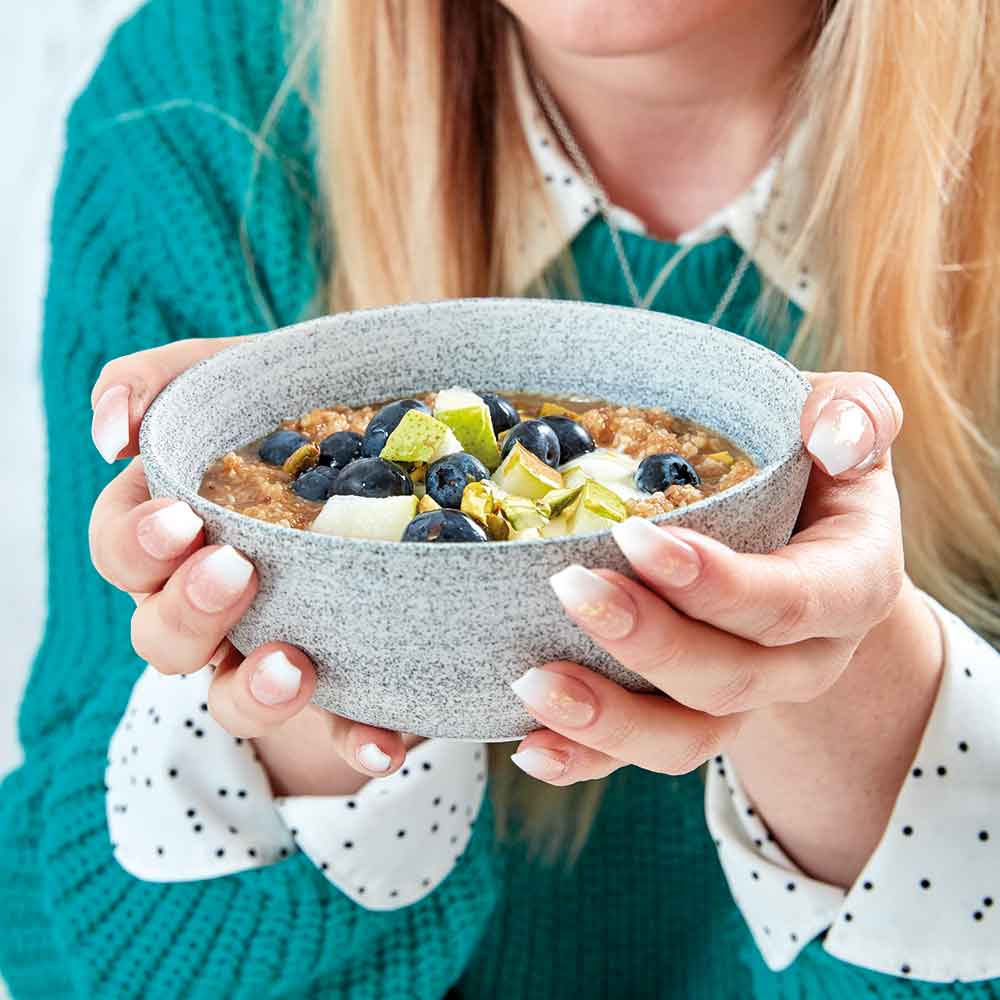
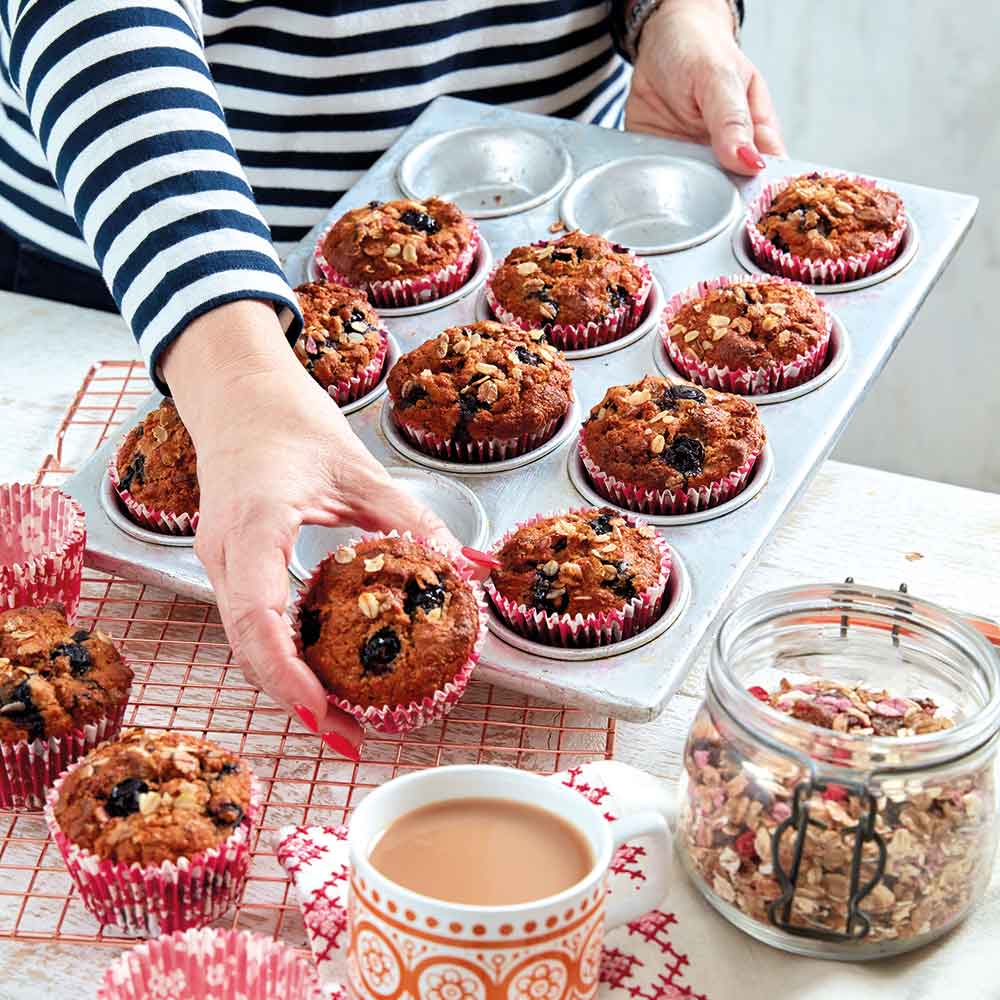
I’ve chosen three delicious breakfast recipes from A Zest for Life cookbook, which has a chapter dedicated to ‘bountiful breakfasts’.

These recipes are packed full of good-stuff to set you up for the day. Serve with some freshly squeezed orange juice and a pot of your favourite tea or coffee.

Enjoy Bank Holiday Monday, an extra lie in is always welcome.

Watch out for our next blog – we have a special discount code to share with you!

Emily Davenport

Emily Davenport

I post a blog every week featuring food, family and fun. There are lots of useful household tips, crafty ideas, giveaways and delicious recipes that I think you will find irresistible.

1 9 10 11 196